2026 CALIE Board of Directors Election
Five (5) Seats Available | Three-Year Terms
The 2026 CALIE Board slate has been finalized. This is an exciting and formative moment for CALIE. Board members help set organizational direction, provide financial and governance oversight, and ensure CALIE’s work remains aligned with its mission and member needs. This election will determine five leaders who will serve three-year terms beginning July 1, 2026.
- Voting Opens: March 21, 2026
- Voting Closes: March 28, 2026, at 11:59 PM PT
- Members will be sent access to vote on March 21st to their primary member email.
Learn more about the candidates below!
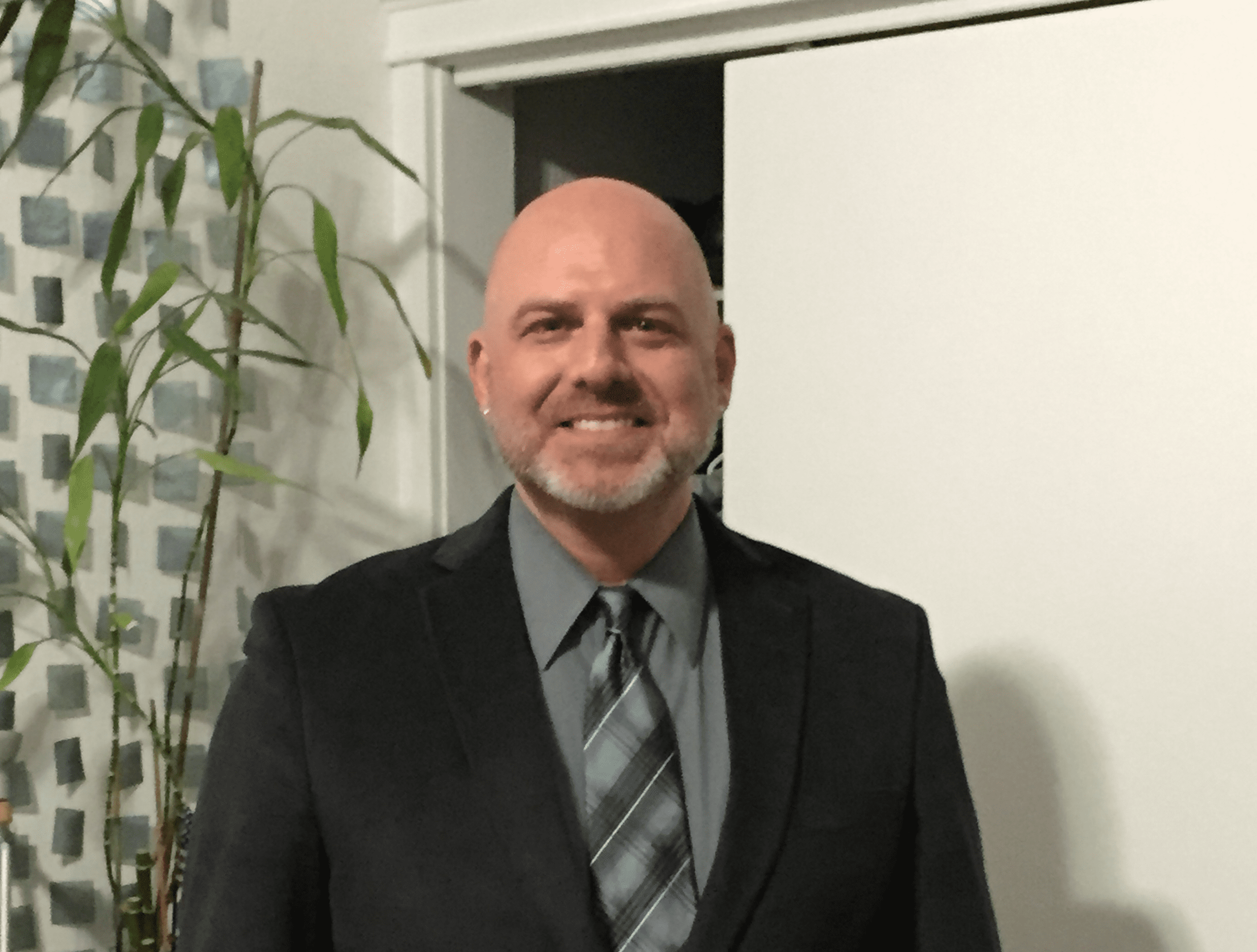
Michael Bloemsma
Michael Bloemsma
With over a decade of experience as an affiliate leader, I bring a valuable perspective during the transition from CUE to CALIE. I’m ready to apply creative, forward-thinking leadership to help shape CALIE’s future while still honoring its legacy.
In 2014, the local CUE San Francisco affiliate had ceased to exist. I served as the first elected President of the new board. In this role, it was my responsibility to lead the important work of reviving the organization with a renewed and innovative vision for the future of the affiliate. Through the tireless work of our board, we grew the affiliate from a handful of members to over 500. This rapid growth helped fuel a healthy budget, which we used to expand our network of educators by providing powerful technology-rich professional learning opportunities.
With the support of the board, I introduced a new vision and mission for our affiliate to leverage the power of the local ed tech environment in San Francisco. We developed partnerships with over a dozen ed tech vendors, such as Apple, Adobe, Padlet, Autodesk, Soundtrap, and our local PBS affiliate, KQED. These partners support us in providing professional learning events, often at their headquarters in San Francisco, at no cost to educators. These partnerships helped draw in educators from all over the Bay Area and led to new collaborations with our local affiliates from East Bay, North Bay, and Silicon Valley.
As an educational leader within the San Francisco Unified School District, I have had the unique opportunity to participate in robust anti-racism professional development, including within an affinity group, which has helped me develop empathy for the challenges faced by members of the African American and other communities of color. It has taught me that our society has created an environment that imposes the characteristics of white culture and microaggressions that happen often. These biases frequently create roadblocks and challenges that white people do not experience in everyday life.
As a result of the professional learning I have received on anti-racism, I am more aware of my own biases and regularly make a conscious effort to think about how these biases might be affecting my behavior. If I notice I am having thoughts or reactions that align with negative aspects of white male culture, I have learned to interrupt those thoughts. I now take a moment to reflect on why I may be reacting in a certain way and make adjustments to my mindset and behavior. This training has positively impacted my life and made me uniquely aware of the challenges faced by communities of color.

Tara Ann Carter
Tara Ann Carter
I believe the future of education depends on empowering educators to lead change with clarity. With sixteen years of experience as a teacher and administrator, I bring a history of mission-aligned decision making anchored in practical application. As a leader, I help institutions embrace change while remaining rooted in their values.
I bring over a decade of leadership experience within several educational institutions. From 2014 to 2017, I served on the Advisory Board of the Teachers Institute of Philadelphia at the University of Pennsylvania, where I participated in decision making related to programming and marketing. In 2017, I served one term on the National Steering Committee of the Yale National Initiative, contributing to national-level governance and cross-site coordination among Teachers Institutes.
Since 2021, I have served as a Far Western Region Advisory Board member for the National English Honor Society. Most recently, I influenced the refinement of their Honor Code to explicitly acknowledge the role of AI in the creation of student work. This policy shift helped move the organization forward in its approach to academic integrity by clarifying expectations around authorship and transparency. I have also reviewed budgets and supported the movement of resources toward evolving priorities.
Across these organizations, I have played an active role in shaping direction through concrete decisions rather than symbolic participation. This included evaluating existing programs for impact and alignment, recommending the sunsetting of initiatives that no longer served strategic goals, and serving on hiring committees that selected current directors of these organizations. In my current role as Director of Educational Technology, I provide strategic leadership by coordinating and overseeing multiple departmental budgets under a unified vision aligned with institutional priorities.
From 2010 to 2016, I served as an AmeriCorps VISTA program member with The New Teacher Project in the School District of Philadelphia. My work took place in under-resourced urban schools, where I focused on instruction and student advocacy in communities shaped by persistent violence and structural inequity. That experience shaped my understanding of how racism operates systemically in education and continues to inform how I think about access and opportunity.
As my career developed, my anti-racism work expanded to include educating students with significant privilege about race, power, and historical inequity. I now work in a Jewish school, where I design curriculum that draws connections across African American history, Jewish involvement in the American South, genocide studies, and narratives of resistance. This work includes sustained engagement with antisemitism and Holocaust education. I also led professional development for educators in these areas as an Echoes & Reflections Teacher Leader.
As a thought leader in educational technology spaces, I ask educators to consider access to technology as a form of privilege. This question feels especially urgent as advanced AI tools now carry significant financial barriers. I choose to focus on how schools can respond by designing more equitable models of access rather than reproducing existing disparities.
Anti-racism, as I understand it, is a commitment to active disruption. It requires moving beyond awareness toward intentional action in leadership decisions and institutional structures. I integrate these principles by treating equity as a design consideration rather than an add-on. In my teaching, this means connecting histories across communities, addressing both antisemitism and racism, and helping students analyze how narratives shape moral responsibility. As a leader, it means asking inconvenient questions about access, especially in educational technology spaces where cost and privilege increasingly determine participation.
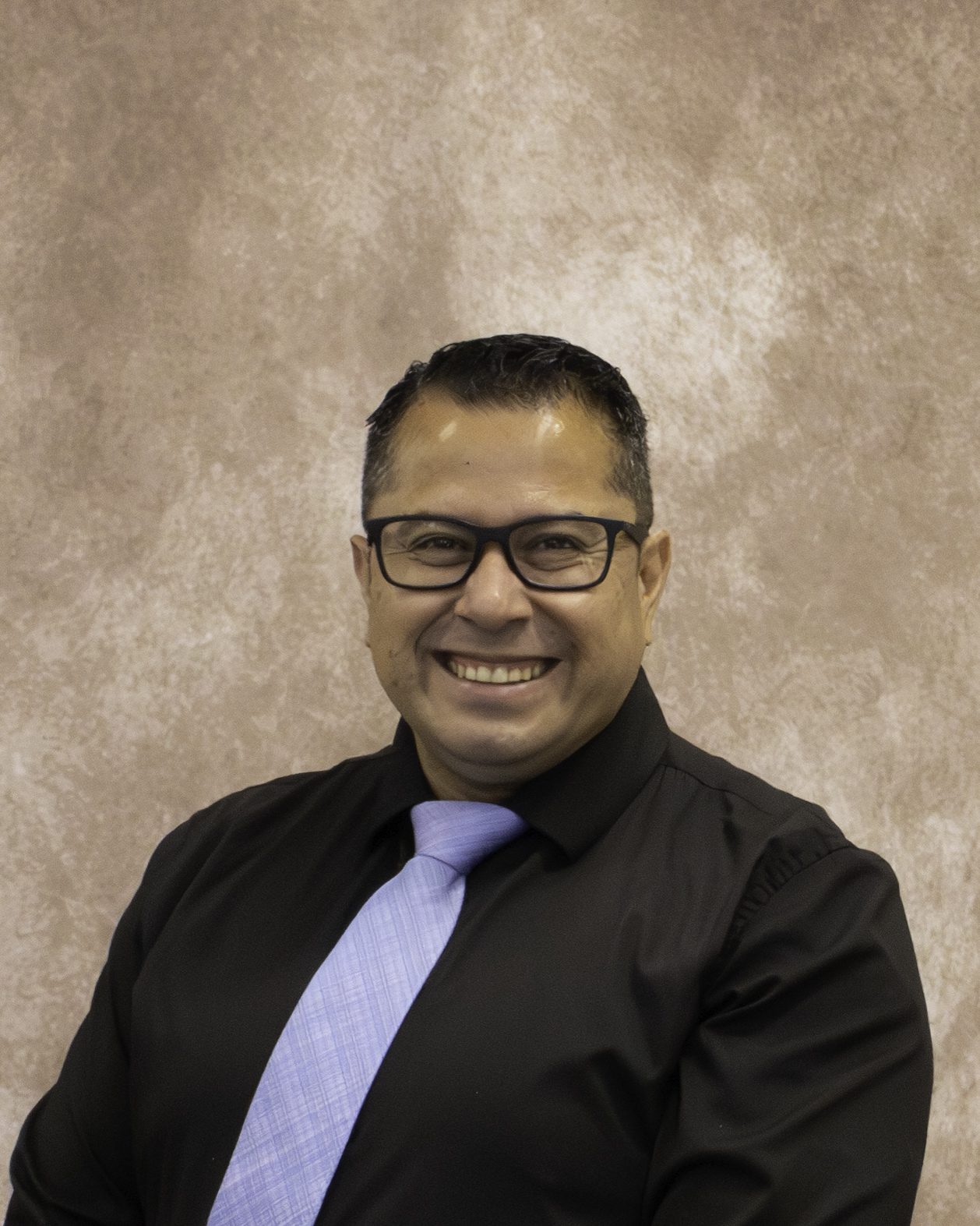
Rudy Escobar
Rudy Escobar
I am seeking to serve on the CALIE Board of Directors because I believe strong educator-led communities are essential to shaping the future of learning. I bring experience in governance, strategic planning, and equitable innovation, with a commitment to ensuring innovation and technology strengthen teaching and expand opportunity for all learners.
I bring extensive experience in governance and leadership through sustained service in board and committee roles at the state and national levels. I have served multiple years in leadership positions with the Computer Science Teachers Association, including roles on the Executive Board, Executive Committee, and Policy Committee. In these capacities, I have contributed to organizational decision making, policy alignment, and long-term direction that reflects educator voice and system-level impact. I currently serve as Co-Chair of CSforCA, where I help guide statewide collaboration across education, higher education, nonprofits, and industry partners. I have also served on the local CCCUE Board since 2022. During this time, I have held multiple leadership roles, including Secretary and Communications and Marketing Coordinator, where I have supported board operations and strengthened communication, outreach, and engagement with the community. I have also contributed to strategic planning efforts and supported the development of mission and vision work for CCCUE.
I have significant experience contributing to strategic planning and organizational vision. This includes direct involvement in shaping the mission and vision for CSTA and supporting the development of the strategic plan for California Computer Using Educators. My work has focused on aligning goals across committees, ensuring coherence between vision and implementation, and centering equitable and meaningful learning experiences for educators and students.
My leadership experience also includes financial oversight and fiscal accountability. I have served on the budget committee for the California Association for Science Education, where I supported budget review, resource allocation discussions, and responsible stewardship of organizational funds. In addition, my conference committee and advocacy committee roles with CASE and CSTA required attention to budgeting, sustainability, and accountability tied to organizational priorities.
Through my roles, I bring a practitioner perspective shaped by system work, with a strong commitment to collaboration, transparency, and responsible governance in support of educators and learners.
My involvement in anti-racist work is rooted in addressing systemic barriers that limit access, representation, and opportunity in education. As a 3C Fellow (Cultural Competence in Computing) and CSTA Equity/Impact Fellow, my work has focused on challenging deficit-based narratives, centering cultural assets, and supporting educators in implementing culturally responsive and inclusive practices. As a LatinX Affinity Lead with CSTA and CALIE, I have helped create spaces that elevate marginalized voices, confront inequities within systems, and advocate for policies and practices that reduce racial disparities.
I understand anti-racism as the ongoing, intentional work of recognizing and addressing the systems and practices that produce inequitable outcomes. I integrate these principles into my leadership by centering cultural assets, challenging deficit-based narratives, and creating spaces where marginalized voices are valued and heard. In my work with LatinX parents and families, I focus on building knowledge, confidence, and advocacy so families can navigate and influence educational systems that impact their children. In my personal life, I carry these values into how I raise my children and engage with my family, modeling pride in identity, critical awareness, and responsibility to stand up for equity and justice.
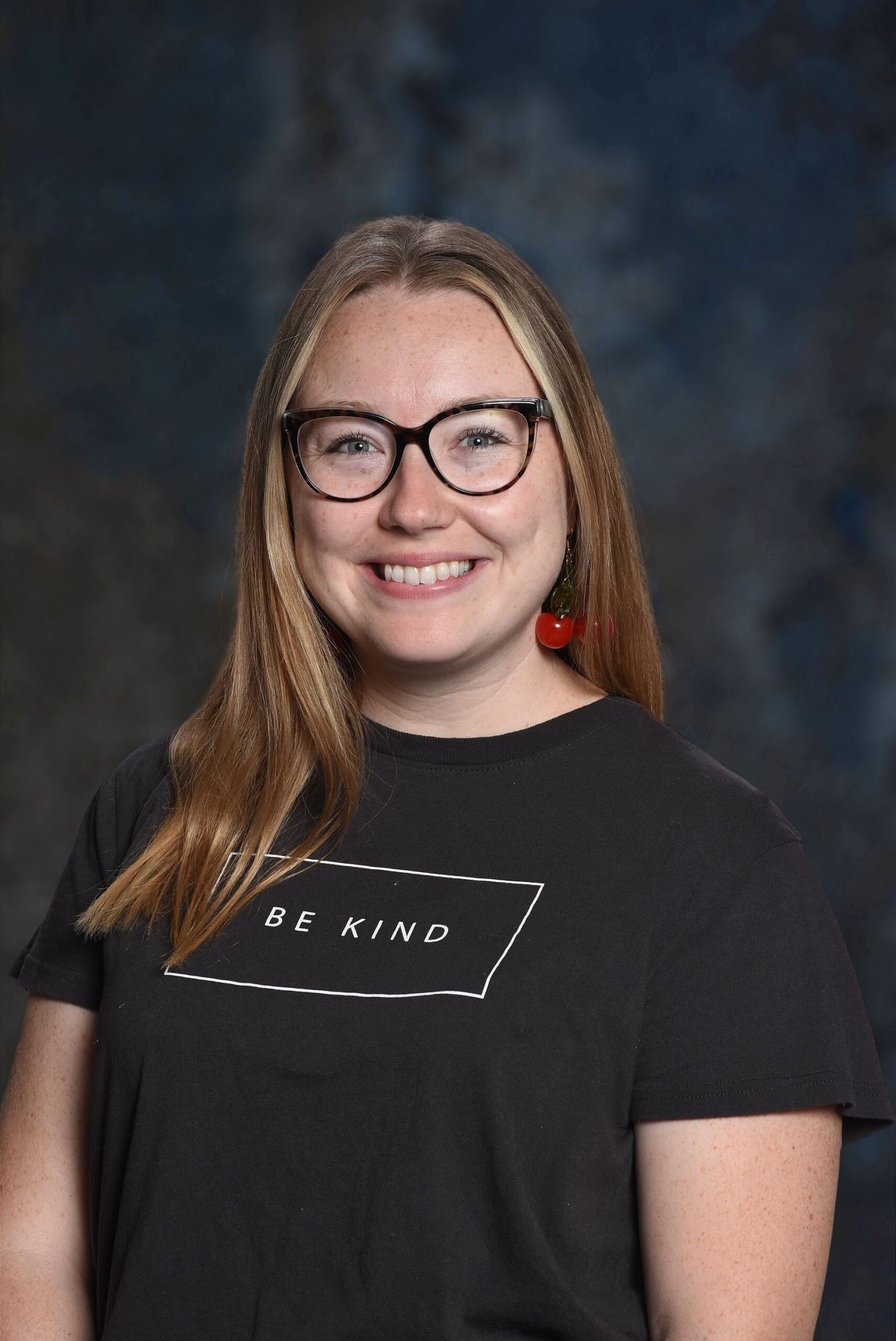
Hailee Maran
Hailee Maran
I intend to join the CALIE Board to offer a fresh, innovative perspective. I want to branch out and learn the inner workings of an organization that I so firmly believe in. I want to communicate, collaborate, and explore with educators during this new and exciting chapter for CALIE.
I am currently piloting a Student Agency program that requires frequent data-driven presentations given to the Paradise community. I have served three total years on the School Site Council. I formed and ran finances for STREAM Charter School’s Leadership Club for grades 6–8. I attended the 2025 CALIE Leadership Development Institutes Symposium. I was the head of STREAM Charter School’s K–3 Professional Learning Community.
I formed the first chapter of Girls on the Run at Achieve Charter School in Paradise. I received a scholarship through CATE for Outstanding Teaching in English Language Arts and have been invited to host my own session at the 2026 CATE Conference. I have also organized and executed two successful school-wide donation drives.
As a white female born in a conservative town, I acknowledge my past and present privileges. Growing up surrounded by people deeply rooted in their biases fueled my fire to become the opposite of them — someone who reflects on those biases with sincerity, and someone who is deeply rooted in love, equity, and education. I constantly strive to educate myself on current events, and I do my part in the community through protests and outreach to work towards a safe and welcoming environment for all. In my classroom, I make sure that students from every background see themselves in our shared space through curriculum, books, and activities.
I strongly believe that the first step to dismantling systemic racism is to start dismantling our own biases through education and connection. I lead and teach with a strong passion for unity, equity, and diversity, despite the narratives I heard from my community when I was young. Today, I teach in that very same community and strive every single day to raise this next generation of children to be anti-racist. It can be nerve-wracking, especially because I want to teach with empathy and compassion towards families who have not recognized their own biases. But the work is important, and I truly believe in having an anti-racist pedagogy.

Lisa Moe
Lisa Moe
As a current classroom educator and experienced board member, I bring firsthand insight into today’s schools alongside governance experience. I seek to serve on the CALIE Board to ensure innovation stays rooted in classroom practice, expands equitable access, and reflects the voices of educators and students doing the work now.
I have served in formal governance roles on both the IACUE Board of Directors and the CSTA Los Angeles Board, contributing to strategic planning, member engagement, and conference development. In these roles, I participated in discussions related to organizational vision, programming priorities, membership growth, and financial sustainability. My board service strengthened my understanding of nonprofit governance, fiscal oversight, and the importance of aligning initiatives with long-term strategic goals.
In addition to board service, I serve on the California Department of Education AI Workgroup, collaborating with state leaders to explore responsible, equity-centered integration of artificial intelligence in schools. This experience has deepened my understanding of policy alignment, statewide implementation considerations, and the importance of practitioner voice in emerging innovation spaces.
As Riverside County Teacher of the Year, I regularly collaborate with district, county, and statewide leaders, bridging classroom realities with broader systems-level conversations. I bring a practitioner’s lens to governance work — grounded in active classroom experience, informed by policy awareness, and focused on sustainable, mission-driven growth.
My anti-racism work focuses on confronting and dismantling systems that create inequitable access to opportunity in education. I analyze how policies, placement practices, and labeling structures disproportionately impact historically marginalized students and intentionally redesign learning environments to disrupt those patterns. I expand access to STEAM and computer science for multilingual learners, students in special education, and those underrepresented in advanced pathways. Through board service, statewide collaboration, and classroom leadership, I advocate for equity-centered decision-making that moves beyond intention toward structural change and measurable impact.
Anti-racism requires ongoing reflection, courage, and action to dismantle inequitable systems and beliefs. It is not a statement of values but a commitment to accountability. In my leadership, I consistently ask who is centered, who has access, and who may be excluded. I integrate anti-racist principles by designing inclusive curriculum, advocating for equitable technology access, amplifying diverse educator and student voices, and examining my own assumptions. Innovation must be equity-driven to ensure it expands opportunity rather than reinforces existing disparities.

Andy Osborn
Andy Osborn
I seek to join the CALIE Board to leverage my 25 years of experience in instructional technology and leadership. My goal is to champion equitable AI integration and data-driven professional development, ensuring that CALIE remains the premier advocate for educators navigating the intersection of pedagogy and emerging digital landscapes.
My leadership experience is defined by a commitment to organizational growth and stakeholder advocacy. As the current President of Orange County CUE (OCCUE), I oversee the strategic direction of our affiliate, including the management of large-scale professional learning events like TechFest. In this role, I lead a board of volunteers, ensuring our mission aligns with the evolving needs of Southern California educators while maintaining fiscal and operational health.
Beyond nonprofit governance, I have extensive experience in district-level leadership. As a Technology TOSA, I acted as Coordinator of Educational Technology, where I formalized districtwide policies and ensured compliance with LCAP and DELAC mandates. My time as Treasurer for the Buena Park Teacher Association provided me with a foundation in fiscal oversight and collective bargaining, where I focused on reaching positive outcomes during complex conflicts.
Currently, as an Educational Technology Instructional Support Specialist in Westminster, I lead the i4 teacher cohorts, guiding self-selected innovators through the complexities of Generative AI and Blended Learning. This blend of nonprofit board governance and district-level strategic planning allows me to bring a multifaceted perspective to CALIE, balancing high-level vision with the practical realities of classroom implementation.
My anti-racism work is rooted in dismantling barriers to digital and academic access. As a multilingual learner (ELL) lead and MTSS/RTI administrator, I have spent years auditing instructional practices to ensure they serve diverse student populations. In my current role, through i4, I focus on Blended Learning strategies that provide tiered supports specifically designed to accelerate achievement for students who have been historically marginalized by the digital divide. This includes ensuring that technology initiatives, like the 1:1 “Classrooms Without Limits” program, are implemented with a focus on equity rather than just delivery.
I understand anti-racism as an active, persistent effort to reorganize power and resources within our educational systems. In my leadership, I intentionally integrate these principles through data-driven equity work. This means using progress monitoring not just to track scores, but to identify where systemic gaps exist and adjusting instruction to meet those needs before they become deficits. Whether I am leading an OCCUE board meeting or coaching teachers on generative AI, I prioritize algorithmic justice — critically evaluating the tools we recommend to ensure they do not reinforce existing biases.
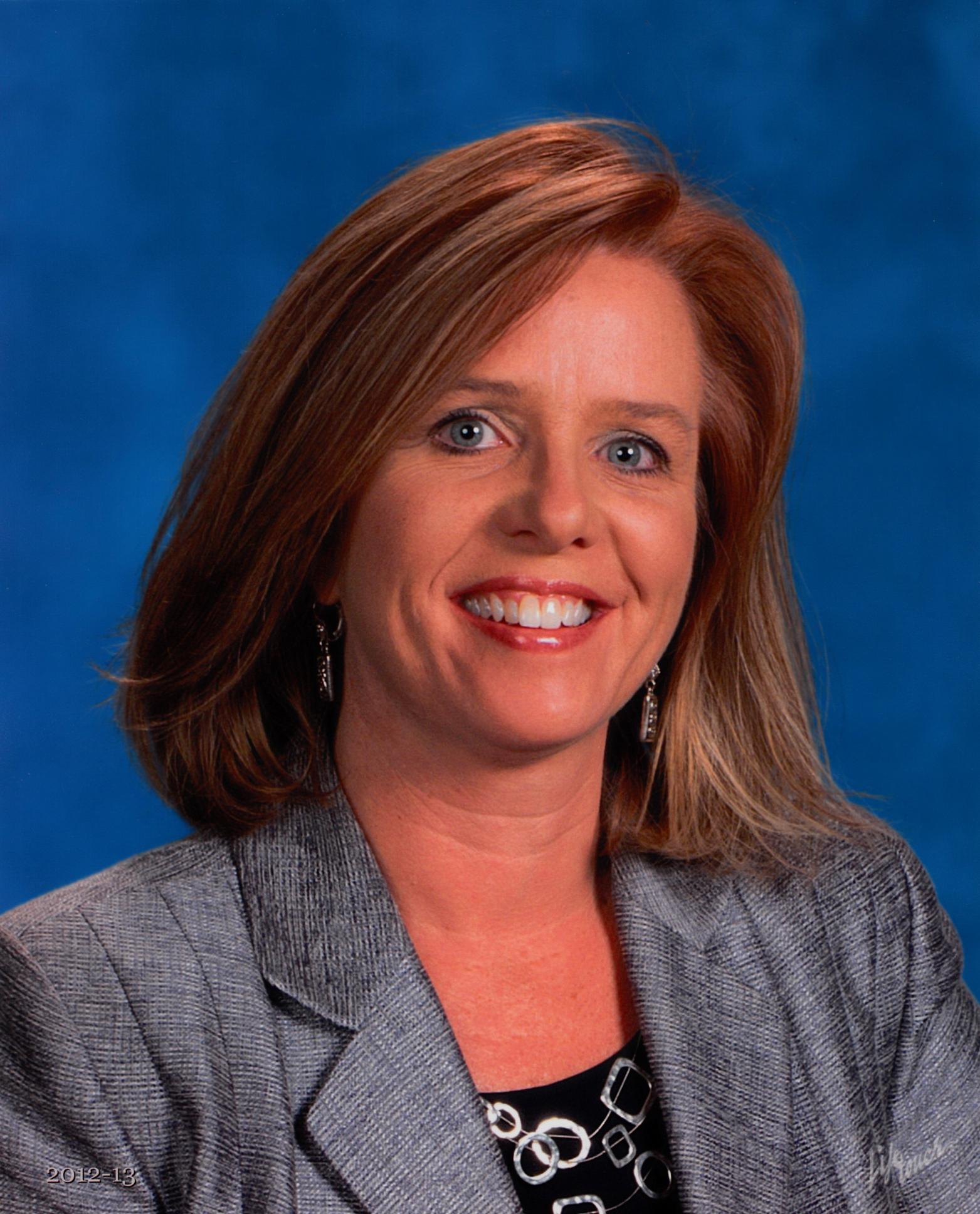
Joan Perez, Ed.D.
Joan Perez, Ed.D.
I am committed to advancing human-centered leadership and innovative systems that empower student agency and equity. Through Portrait of a Graduate work and AI-era leadership, I help districts align vision to action. Serving on the CALIE Board allows me to contribute strategic insight, collaboration, and forward-thinking leadership statewide.
Throughout my education career, I have served in board and committee-level leadership roles at the district, regional, and statewide levels. As Assistant Superintendent of Educational Services, I partner directly with our Board of Education, advising on policy, strategic priorities, and long-term planning while ensuring coherence between governance decisions and instructional implementation. I regularly present at board meetings, support agenda development, and translate vision into measurable outcomes.
I have contributed extensively to strategic planning and organizational visioning. I led the collaborative development of our district’s Portrait of a Graduate, engaging students, staff, families, and community partners to define a shared vision that now drives our strategic plan, LCAP priorities, and accountability systems. I have also guided the co-creation of district vision and mission statements, AI implementation guidelines, and innovation frameworks grounded in human-centered design principles.
My leadership includes significant fiscal oversight and accountability. I manage comprehensive Educational Services budgets, align resources to strategic priorities, oversee grant acquisition and administration, and collaborate in negotiations to ensure fiscal responsibility and sustainability. I also serve on the SchoolsFirst Federal Credit Union Advisory Council, where I contribute to discussions regarding member services, financial stewardship, and organizational responsiveness.
Throughout my career, I have centered equity and anti-racist practice in both systems design and daily leadership. As Assistant Superintendent, I lead efforts to examine policies, resource allocation, and instruction through an equity lens to expand access to rigorous, culturally responsive learning for historically marginalized students. I helped lead the development of our district’s Equity Blueprint to create clear commitments, measurable actions, and accountability structures. In shaping our Portrait of a Graduate and Portrait of an Educator, I facilitated inclusive engagement processes that elevated student voice and diverse community perspectives.
Anti-racism, to me, is the intentional and ongoing work of identifying and dismantling systems that create inequitable outcomes for students. It requires courage, humility, and sustained action. I believe every student deserves dignity, belonging, and opportunity. I intentionally examine data, policies, and practices to remove barriers. Through Human-Centered Leadership and Portrait of a Graduate work, I lead with integrity, empathy, and an unwavering commitment to justice and excellence.
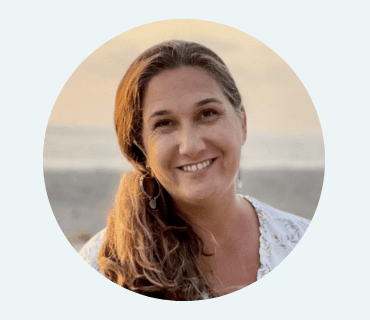
Marisa Thompson
Marisa Thompson
CALIE is creating something new. I care deeply about this community of educators and am committed to helping build this next chapter. I want to serve by bringing even more people together, strengthening thoughtful innovation, and keeping our focus where it belongs — on students, educators, and possibilities.
From 2019 to 2025, I served on the San Diego CUE Board, including multiple years as Vice President and approximately six months as President. During that time, I contributed to governance decisions, annual event planning, and oversight of teacher mini-grant programs that directly supported classroom innovation. I reviewed and voted on budgets and participated in discussions related to speaker selection, sponsorship, and event sustainability.
My board service took place during a uniquely challenging period. During COVID, many ed tech companies provided free products and professional development as educators transitioned online. As a result, participation in community-based events declined. As a board, we focused on sustaining our core offerings, including the annual event and mini-grants, while navigating shifting member needs and reduced engagement. These conversations deepened my understanding of nonprofit sustainability and the importance of clarity and focus during times of disruption.
In my current role as Associate Director of Curriculum and Instruction at Elite Academic Academy, I participate in Cabinet-level discussions connected to long-term curriculum vision, Marzano High Reliability Schools alignment, and schoolwide initiatives. I have led multi-year planning efforts, including a comprehensive curriculum writing framework and a writing initiative impacting multiple academies. I design systems that support instructional quality, professional development, and sustainable growth across departments.
Throughout my career, I have worked to make access and opportunity real, not just something we talk about. I have co-designed and led the development of Ethnic Studies curriculum and expanded access to A–G and Honors pathways to ensure more students see themselves reflected in what they learn and have access to rigorous coursework. I regularly review subgroup data to identify disparities and adjust systems, supports, and course design accordingly. Equity work, for me, means looking honestly at who is thriving, who is not, and what needs to change structurally.
More recently, I have led SchoolAI professional development for all of our teachers and helped develop our AI policies that center responsible use, bias awareness, and student growth. My goal remains consistent: to design systems and learning experiences where every student has access, voice, and the opportunity to succeed.
Over time, my approach to anti-racism has become more structural and more intentional. Earlier in my career, I focused mostly on what I could control in my own classroom. Now, I look closely at systems. I examine quantitative data alongside observational and anecdotal evidence to understand where gaps exist, and I use that combined data to open conversations, make recommendations, and move toward action. I am more willing to name disparities directly and ask hard questions about policies, course pathways, and materials that may unintentionally limit access. For me, this work is ongoing. It means being willing to pause, listen, adjust, and sometimes rethink decisions when evidence or community voice suggests something is not working as intended.