Two Organizations, One Question: What Does Every Learner Need?

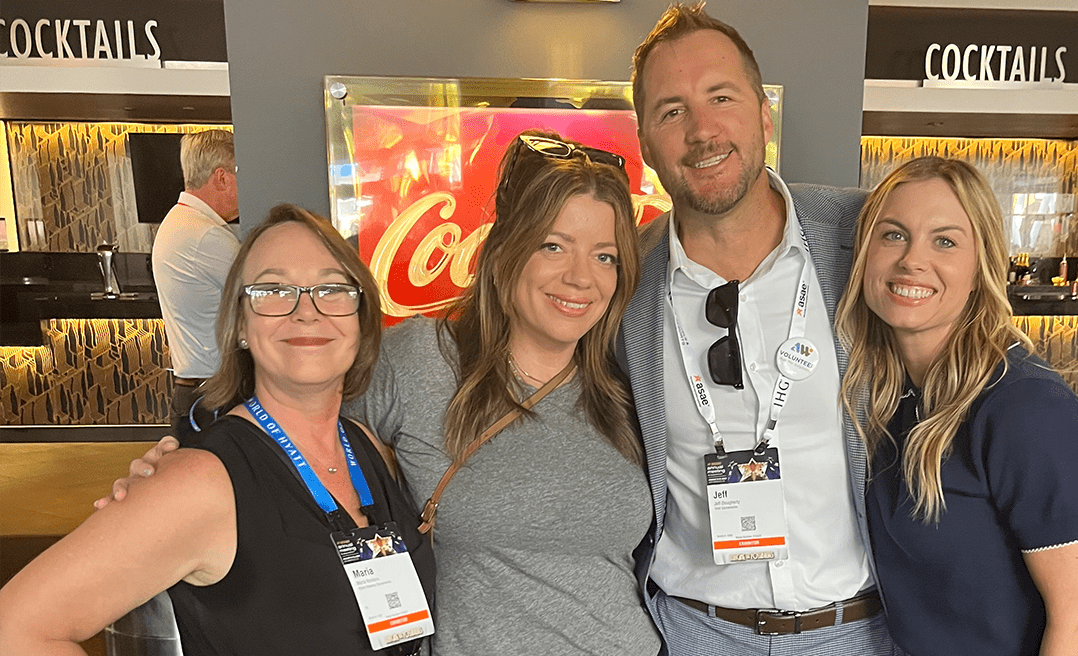
This spring, CAST and CALIE partnered to bring Universal Design for Learning to the center of Spring CUE 2026 in Palm Springs, CA. UDL-Con California was a featured program at one of the state’s largest gatherings of classroom teachers, instructional coaches, IT leaders, and district administrators to tackle the systemic challenges that matter most at Spring CUE, powered by CALIE.

Sessions ran throughout the conference, many led by CAST experts. A pre-conference workshop on March 18 gave participants a hands-on introduction to UDL tools and strategies for designing learning that works for every student.

We asked staff from both organizations the same questions about what this collaboration made possible. Here is what they said.

What makes this partnership work, and should it set a precedent?

CAST

Spring CUE created a real opportunity to connect with educators and innovators who share CAST’s commitment to UDL. The intersection of UDL and technology is especially powerful. Technology has an unprecedented ability to increase access and support learner agency when it is accessible and thoughtfully designed. That has been central to CAST’s work since the 1980s, and it continues to drive our mission today.

Partnerships like this are not just valuable. They model what is possible when organizations align around a shared goal: designing learning experiences that work for each learner from the start.

CALIE

Bringing the Spring CUE and UDL-Con communities together created a space for educators to explore how accessibility, instructional design, learner variability, and technology connect in practice. What made this work was a shared belief that educators are the key to designing meaningful, student-centered learning experiences. CAST’s leadership in UDL helped deepen those conversations and gave educators practical frameworks they could apply immediately.

The challenges facing education are too interconnected for organizations to work independently. Partnerships like this allow us to create more cohesive, forward-thinking learning experiences for educators while building stronger bridges between research, instructional practice, and innovation.

The challenges facing education are too interconnected for organizations to work independently.

Why is UDL so important for today and tomorrow’s learners?

CAST

As education shifts from acquiring information to developing learner expertise, the need for flexible learning environments has never been greater. Learners must be able to plan, navigate, and monitor their own progress in order to thrive in a rapidly changing world. UDL provides a framework for designing those environments — one that anticipates variability rather than retrofitting for it.

Technology plays a critical role in making this vision scalable. When used intentionally, it allows us to design for variability in ways that were not previously possible. The future development of digital educational materials, including AI integration, makes this work both urgent and exciting.

CALIE

As technology, AI, and access to information rapidly evolve, educators play a critical role in designing learning experiences that foster curiosity, agency, critical thinking, and meaningful participation for every learner. At CALIE, we know educators cannot do this work alone. They need ongoing support, collaboration, and opportunities to learn alongside one another as they navigate changing technologies, learner needs, and instructional practices.

UDL provides a powerful foundation for creating more flexible and inclusive learning environments. And thoughtful use of technology can help expand access and deepen learning opportunities for all students.

What were your highlights at Spring CUE 2026?

CAST

One of the most powerful aspects of the conference was connecting with educators from across the country who are actively engaged in this work. A particularly exciting takeaway was seeing how many companies are beginning to prioritize accessibility in the design of their K-12 products and services. When accessibility is built in from the start, it benefits all learners.

I also had the chance to co-lead a session on district-wide UDL implementation alongside partners from Palm Springs Unified School District, sharing four years of work with a room full of educators committed to the same goals. That was a meaningful highlight.

CALIE

One of the clearest highlights was the level of educator interest in conversations around UDL, accessibility, learner variability, and intentional instructional design. UDL-focused sessions filled quickly, and many educators specifically shared that they appreciated seeing a stronger balance between AI, innovation, and inclusive learning design rather than technology presented in isolation.

For me personally, this partnership represented the continuation of work I began supporting UDL implementation in my own district. Bringing CAST into partnership with CALIE and embedding UDL more intentionally across our organization felt like an important milestone, not just for the event, but for a broader vision of helping educators create more accessible, student-centered learning experiences at scale.
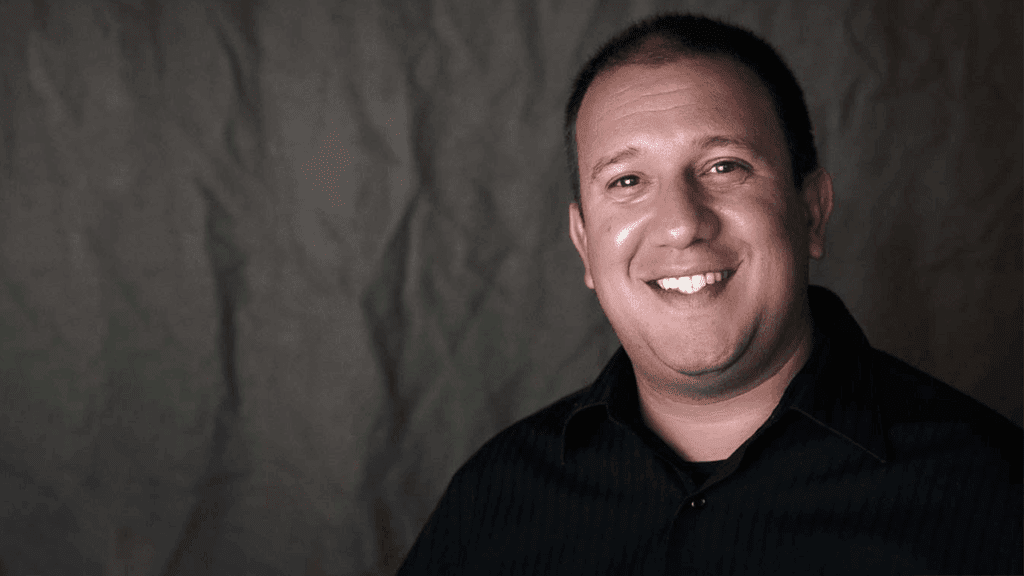

Niel Albero
Senior Implementation and Professional Learning Specialist, CAST
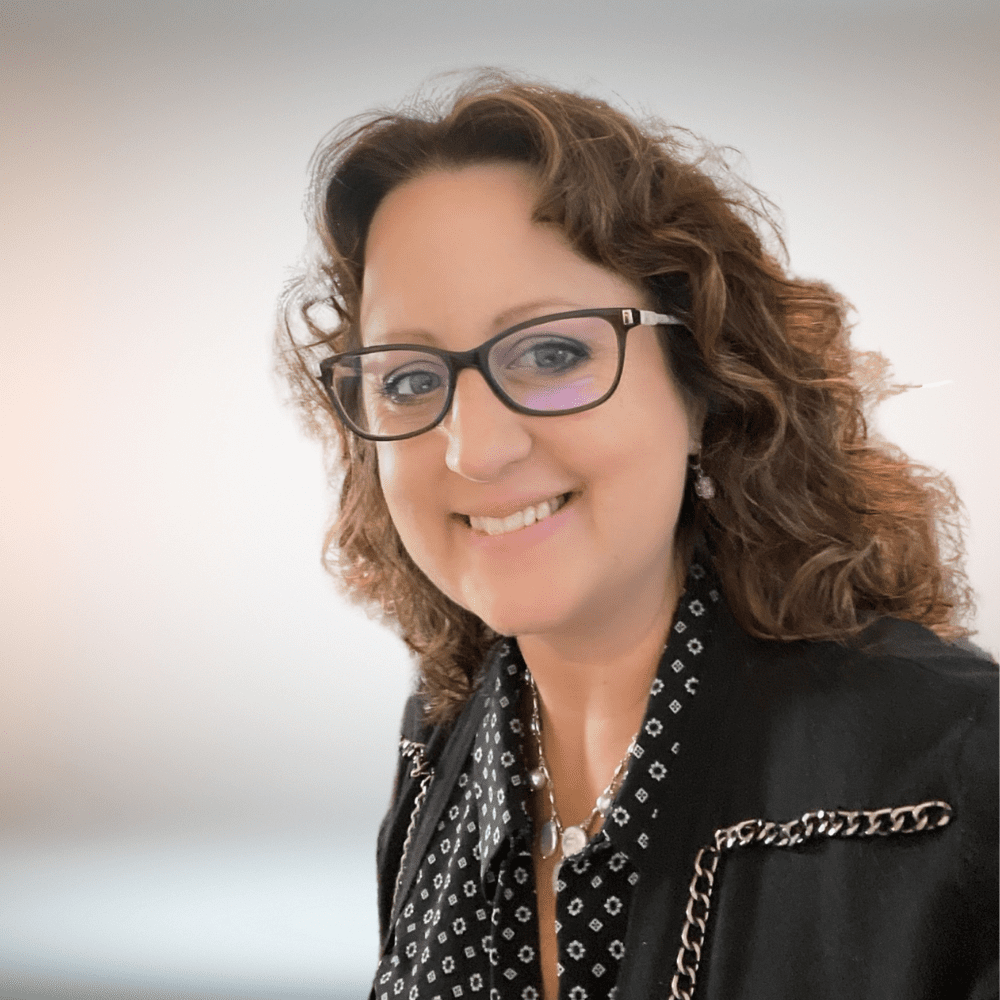
Rae Fearing
Director of Programs, CALIE

Thank you to the CAST team for their partnership and for bringing Universal Design for Learning to the center of Spring CUE 2026. Learn more about their work at cast.org.

We hope to see you at CALIE’s annual conference, March 18-20, 2027 in Palm Springs, CA.
Learning, Innovation, Voice & Equity

Learning, Innovation, Voice, & Equity! Join CUESF and Padlet for an engaging evening celebrating the innovative work happening in our schools and communities.

  • Date: April 30, 2026
  • Time: 4:30 – 7:00 PM
  • Location: Padlet Headquarters – 87 Graham St Ste 250, San Francisco, CA 94129
  • Cost: FREE!

What to Expect

Are you excited to share something innovative happening in your classroom, school, or community? This is your chance to showcase your work and inspire others!

  • Innovative Teaching
  • Engaged Learners
  • Celebrating Educators

CALIE built a program. The graduates built something even bigger.

The inaugural cohort of CALIE Certified Educators crossed the finish line, and what they built along the way is worth paying attention to.

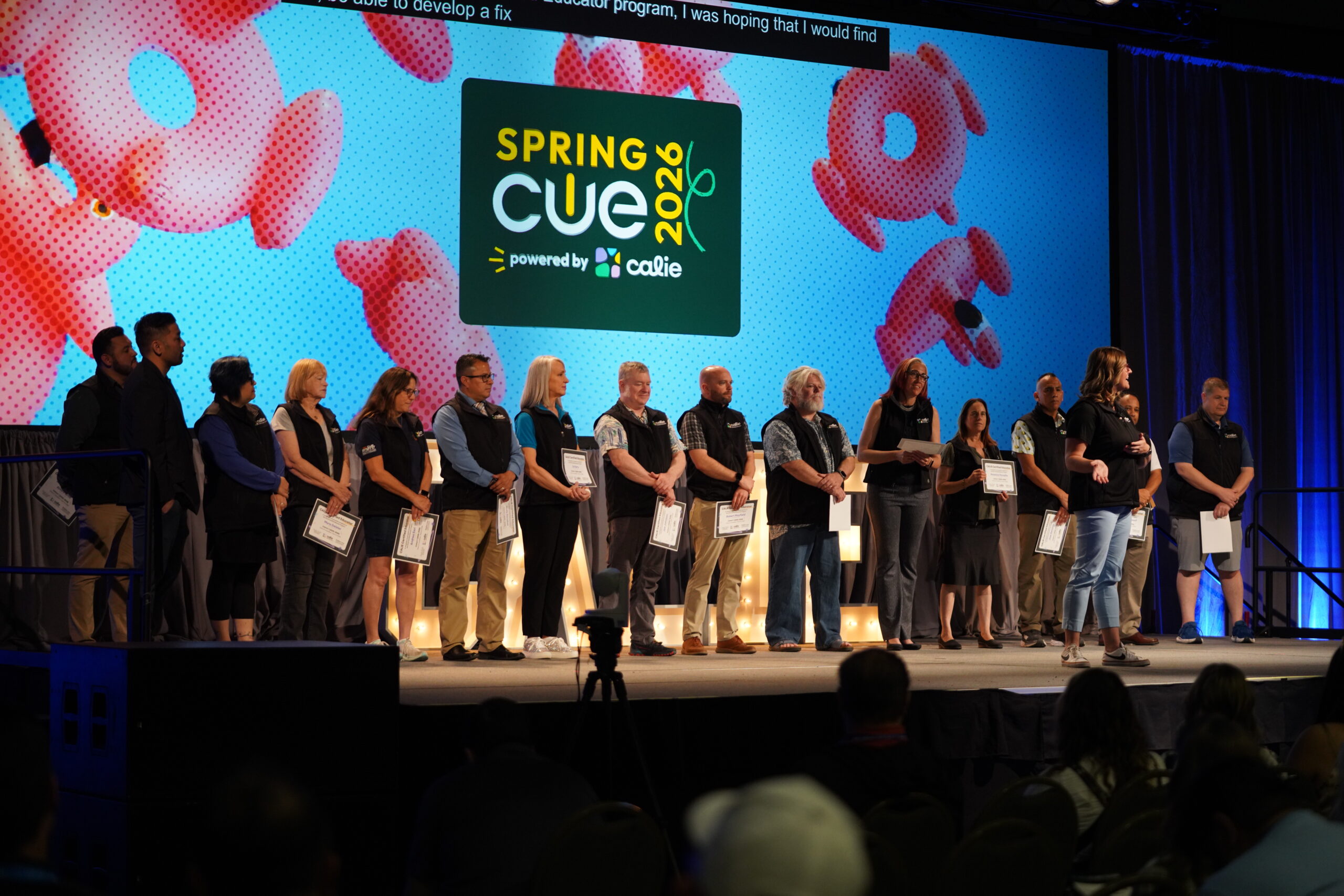
A celebratory moment at Spring CUE, powered by CALIE

This spring, the work of the first cohort of CALIE Certified Educators received recognition at the Spring CUE, powered by CALIE conference. On the first day of the event, the group was invited on stage where conference attendees and partners applauded their achievement – a wonderful, proud moment that honored months of learning, risk-taking, and leadership in the service of students. The graduates also hosted an informational session for conference attendees where they showcased capstone projects, shared what they learned, and answered questions from prospective participants. The session made clear that the problems they are solving are unique and impactful – practical, context-driven solutions emerging from real school and district challenges.

Working with this cohort, what stood out to me was how quickly participants moved from idea to classroom action. I watched educators iterate on solutions with humility and rigor, test approaches with colleagues and students, and return to the work with clearer evidence and stronger plans. Seeing those capstone projects presented publicly – and hearing the thoughtful questions from peers and prospective participants – made clear that this program doesn’t just develop skills; it cultivates sustained leadership and change-making capacity.

“There’s something different that happens when educators get the kind of professional learning they deserve. “

In a time when new problems are emerging rapidly and old ones are intensifying, waiting isn’t an option. With the right support, educators begin to recognize their voice, trust their expertise, and step into the leadership our schools need right now.

That’s the environment we set out to build with the CALIE Certified Educator program. Cohort 1 proved what happens when educators are trusted to lead and supported to act. This was more than a series of sessions – it was a shift in mindset. Participants began to see themselves differently: not as responders to change, but as leaders of it.

When learning is structured around school-based problems, people actually solve them.

The Certified Educator program is built around a core belief: the best people to lead change in education are educators. Every session, from designing transformative professional learning to balanced and sustainable leadership, is intentionally designed to help participants recognize their influence, strengthen their voice, and develop the courage to lead the change our schools need. The program is not just about improving teaching and learning – it is about empowering educators to see the impact they already have and step confidently into leadership on their campuses.

The cohort model works because it asks more of participants – and gives more in return.

That sense of shared accountability came through in every showcase presentation. Throughout the program, everything was grounded in the real contexts where these educators work. 

The Certified Educator program isn’t a self-paced certification you complete at midnight between other obligations. It asks participants to show up, engage with colleagues they may not have met otherwise, and invest in work that extends beyond the session itself.

That investment is returned in kind. Throughout the program, participants work alongside experienced education leaders and experts who provide guidance, challenge assumptions, and help strengthen the ideas participants are developing. This level of access is uncommon in traditional professional learning. Participants are not learning about leadership, they are learning alongside leaders. That proximity builds confidence and clarity, giving educators the support they need to move from planning change to leading it.

The work outlasts the program, and that was always the point.

The participants in Cohort 1 often reflected that the capstone and colleague showcase was powerful, but not the ultimate win, rather, the work they were bringing back to their schools and districts, and the ability to see it making a difference was the ultimate value in the program.

“This program provides the frameworks, expert insights, and peer support to move from addressing challenges with surface-level solutions to instead driving systemic change. No matter what role you play in education, you’ll have space to build sustainable solutions rooted in equity and built for lasting impact.”

– Lindsay Munoz, Certified Educator Cohort 1 graduate

Cohort 2 is forming now.

If you’ve been waiting for a professional learning experience that takes your leadership seriously, this is it. Cohort 2 begins August 2026 and space is limited.

The Most Important Learning at a Conference Doesn’t Happen in a Session

I was at dinner recently with a friend, and we were comparing travel calendars for next year. We’re both planning to attend our professional association’s national conference in August.

She hesitated before saying, almost apologetically, “I’m kind of embarrassed how much I look forward to this conference.”

I told her not to be embarrassed – I look forward to it every year!

Not necessarily because of a particular keynote or session. I look forward to it because it brings me back into a room with my people.

When you’re responsible for leading any kind of change, whether that’s in a classroom, a district office, or a non-profit, much of the decision-making happens alone, and you rarely get to compare notes in real time with people facing the same dynamics. That’s what I value most about an in-person conference: proximity to my existing network and new connections.

What a Conference Actually Does

Of course, as executive director of CALIE, I also care about strong programming, and I know structured sessions matter. At CALIE, we invest time designing learning experiences that are timely and practical. But I also understand that the most important outcomes of a conference won’t always be captured in session evaluations, since they often emerge in conversations between sessions. How do you quantify what you learned in exchanges that begin with, “Have you tried this?” How many times have you returned from a conference with the realization that a problem you thought was unique to your district is actually systemic?

From where I sit, a conference is about creating the spaces for those conversations to happen.

Educators operate in environments that demand constant responsiveness with little, if any, protected space for reflection. When we bring people together intentionally and remove them from the daily grind of their work – even briefly – things change. People test ideas out loud and are more candid about what works and what doesn’t. That shift is subtle, but it’s important.

Why Convening Matters Right Now

Convening becomes even more important when the landscape is shifting. Right now, education leaders are making decisions about AI integration, shrinking budgets, interoperability, instructional strategy, and community trust. A conference is not only a place to learn about the latest tools, techniques, or products, but also to connect with your peers about how they are using these resources to solve similar problems. That is Spring CUE’s role.

It is part of a broader ecosystem CALIE is building year-round, through our certification programs, partnerships, Live Labs, and leadership development work. But Spring CUE is the moment when that becomes visible in one in-person space. The ideas we are testing throughout the year come together, and so do the people responsible for implementing them across schools and districts.

Looking ahead, that matters even more because the questions facing education are not getting easier. If anything, they are becoming more interconnected, and the need for leaders who can think across roles is only growing; coming together is how we strengthen that capacity.

What You Bring Back

Every time I come home from a conference, I’m exhausted, but in the best way. My notes app is full, and I have more ideas than I realistically have time to implement. It’s the kind of exhaustion that comes from being fully engaged. I leave with renewed excitement for my work and a clearer understanding that the challenges we’re navigating are shared, which makes them feel more solvable.

My friend felt embarrassed because she was thinking of attending the conference as an indulgence rather than a responsibility. I see it differently! We should feel encouraged to find joy in our professional responsibilities. When you are in a room full of people who care about improving teaching and learning and who are willing to wrestle with hard questions together, you are better supported to keep moving forward and continue making an impact.

Spring CUE is that kind of room.

I am so lucky to help build it, and I hope you will join us.

Creating Interactive Learning Experiences 

March Live Lab: Creating Interactive Learning Experiences

Do you have great ideas for interactive content – quizzes that adapt, simulations that visualize concepts, games that review key ideas – but you don’t know how to build them?  Feeling stuck with outdated or generic templates and activities?

In this Live Lab session, you will learn how to break free from limited tools that don’t capture student imagination or offer multiple paths for students to show what they know. Build web-based quizzes, simulations, and interactive tools in minutes—no programming experience required. Join us to turn your content ideas into actual working tools your students can use tomorrow.

  • Session 1: Tuesday, March 3, 2026 (1st Tuesday) 
  • Session 2: Tuesday, March 24, 2026 (4th Tuesday)
  • Time: 4:00 pm-4:45 pm PT
  • Virtual
  • REGISTER HERE
  • Price: FREE
What are Live Labs?

CALIE Live Labs is not just another PD opportunity—it’s a paradigm shift in how educators can learn and grow.

If you’re tired of:

  • Professional development that feels like wasted time
  • Knowing about tools but never feeling confident enough to use them
  • Innovating alone without support or recognition
  • Learning that doesn’t connect to your classroom or campus

Then Live Labs is built for you.

You’ll create real resources, connect with real educators, receive real recognition, and walk away with real confidence. And you’ll do it in a way that actually fits into your life, not another obligation that drains you, but an experience that energizes and empowers you.

CALIE Live Labs are for educators at any grade level or role who want practical, collaborative support solving real classroom and school challenges. 

No prior experience with specific tools is required—Live Labs focus on adaptable strategies that work across classrooms, roles, and contexts.

Key Features of Live Labs
  • Create, Don’t Just Consume
    Every Lab ends with a ready-to-use classroom artifact; practical, tested, and yours.
  • A Two-Week Learn–Build–Refine Cycle
    Learn together, create on your own time, then return to share, get feedback, and improve.
  • Learn Alongside Educators Who Get It
    Collaborate with educators across grade levels and contexts. No isolation, just shared problem-solving.
  • Low-Risk Experimentation, Real Impact
    Try new ideas with support from facilitators and peers in a space designed for iteration, not perfection.

Your Work Lives Beyond the Lab
Earn recognition, contribute to shared resource collections, and be part of a growing library of educator-created work

Designing Visual Learning Experiences That Engage

April Live Lab: Designing Visual Learning Experiences That Engage

Ever feel like your content deserves better than another slideshow that puts your students on auto pilot? Maybe you’ve seen beautifully designed and enticing content, but feel overwhelmed by the amount of time it would take to create? 

In this Live Lab, you’ll discover how to design interactive, visually intriguing learning experiences that engages students instantly. Register now and transform your next unit from flat slides to dynamic exploration.

  • Session 1: Tuesday, April 7, 2026 (1st Tuesday)
  • Session 2:  Tuesday, April 28, 2026 (4th Tuesday)
  • Time: 4:00 pm-4:45 pm PT
  • Virtual
  • REGISTER HERE
  • Price: $35 or Free for CALIE Members

What Are CALIE Live Labs?

CALIE Live Labs is not just another PD opportunity—it’s a paradigm shift in how educators can learn and grow.

If you’re tired of:

  • Professional development that feels like wasted time
  • Knowing about tools but never feeling confident enough to use them
  • Innovating alone without support or recognition
  • Learning that doesn’t connect to your classroom or campus

Then Live Labs is built for you.

You’ll create real resources, connect with real educators, receive real recognition, and walk away with real confidence. And you’ll do it in a way that actually fits into your life, not another obligation that drains you, but an experience that energizes and empowers you.

CALIE Live Labs are for educators at any grade level or role who want practical, collaborative support solving real classroom and school challenges. 

No prior experience with specific tools is required—Live Labs focus on adaptable strategies that work across classrooms, roles, and contexts.

Key Features of CALIE Live Labs
  • Create, Don’t Just Consume
    Every Lab ends with a ready-to-use classroom artifact; practical, tested, and yours.
  • A Two-Week Learn–Build–Refine Cycle
    Learn together, create on your own time, then return to share, get feedback, and improve.
  • Learn Alongside Educators Who Get It
    Collaborate with educators across grade levels and contexts. No isolation, just shared problem-solving.
  • Low-Risk Experimentation, Real Impact
    Try new ideas with support from facilitators and peers in a space designed for iteration, not perfection.
  • Your Work Lives Beyond the Lab
    Earn recognition, contribute to shared resource collections, and be part of a growing library of educator-created work.

Mastering Multiple Means of Representation 

May Live Lab: Mastering Multiple Means of Representation

Do your students need different ways to access content—study guides for some, audio summaries for others, discussion prompts etc—but you already know that creating all this would eat up hours you don’t have. By the time we’ve made differentiated materials, we’re exhausted before we even teach. 

Then this Live Lab is for you! 

Learn how to transform what you already have into multiple formats in minutes instead of hours. Prioritize serving every learner without sacrificing your evenings.

  • Session 1: Tuesday, May 5, 2026 (1st Tuesday)
  • Session 2:   Tuesday, May 26, 2026 (4th Tuesday)
  • Time: 4:00 pm-4:45 pm PT
  • Virtual
  • REGISTER HERE
  • Price: $35 or Free for CALIE Members

What Are CALIE Live Labs?

CALIE Live Labs is not just another PD opportunity—it’s a paradigm shift in how educators can learn and grow.

If you’re tired of:

  • Professional development that feels like wasted time
  • Knowing about tools but never feeling confident enough to use them
  • Innovating alone without support or recognition
  • Learning that doesn’t connect to your classroom or campus

Then Live Labs is built for you.

You’ll create real resources, connect with real educators, receive real recognition, and walk away with real confidence. And you’ll do it in a way that actually fits into your life, not another obligation that drains you, but an experience that energizes and empowers you.

CALIE Live Labs are for educators at any grade level or role who want practical, collaborative support solving real classroom and school challenges. 

No prior experience with specific tools is required—Live Labs focus on adaptable strategies that work across classrooms, roles, and contexts.

Key Features of CALIE Live Labs
  • Create, Don’t Just Consume
    Every Lab ends with a ready-to-use classroom artifact; practical, tested, and yours.
  • A Two-Week Learn–Build–Refine Cycle
    Learn together, create on your own time, then return to share, get feedback, and improve.
  • Learn Alongside Educators Who Get It
    Collaborate with educators across grade levels and contexts. No isolation, just shared problem-solving.
  • Low-Risk Experimentation, Real Impact
    Try new ideas with support from facilitators and peers in a space designed for iteration, not perfection.
  • Your Work Lives Beyond the Lab
    Earn recognition, contribute to shared resource collections, and be part of a growing library of educator-created work.

Creating AI Virtual Assistants for Teachers

June Live Lab: Creating AI Virtual Assistants for Teachers

Raise your hand if your to-do list is endless! Are you overwhelmed with drafting routine emails, leveling instructional materials, managing classroom communications? Do you feel like the repetitive tasks leave little time for the creative, meaningful work you actually became a teacher to do? Don’t you wish you had a way to handle the administrative load without sacrificing quality?

In this Live Lab we’ll work to build a workflow that handles the repetitive stuff so you can focus on connecting with students and amplifying your content. Because your time matters!

  • Session 1: Tuesday, June 2, 2026 (1st Tuesday)
  • Session 2:  Tuesday, June 23, 2026 (4th Tuesday)
  • Time: 4:00 pm-4:45 pm PT
  • Virtual
  • REGISTER HERE
  • Price: $35 or Free for CALIE Members
What Are CALIE Live Labs?

CALIE Live Labs is not just another PD opportunity—it’s a paradigm shift in how educators can learn and grow.

If you’re tired of:

  • Professional development that feels like wasted time
  • Knowing about tools but never feeling confident enough to use them
  • Innovating alone without support or recognition
  • Learning that doesn’t connect to your classroom or campus

Then Live Labs is built for you.

You’ll create real resources, connect with real educators, receive real recognition, and walk away with real confidence. And you’ll do it in a way that actually fits into your life, not another obligation that drains you, but an experience that energizes and empowers you.

CALIE Live Labs are for educators at any grade level or role who want practical, collaborative support solving real classroom and school challenges. 

No prior experience with specific tools is required—Live Labs focus on adaptable strategies that work across classrooms, roles, and contexts.

Bullet Points (required for event announcements): 

Key Features of CALIE Live Labs
  • Create, Don’t Just Consume
    Every Lab ends with a ready-to-use classroom artifact; practical, tested, and yours.
  • A Two-Week Learn–Build–Refine Cycle
    Learn together, create on your own time, then return to share, get feedback, and improve.
  • Learn Alongside Educators Who Get It
    Collaborate with educators across grade levels and contexts. No isolation, just shared problem-solving.
  • Low-Risk Experimentation, Real Impact
    Try new ideas with support from facilitators and peers in a space designed for iteration, not perfection.
  • Your Work Lives Beyond the Lab
    Earn recognition, contribute to shared resource collections, and be part of a growing library of educator-created work.

Designing for Student Creation with 3D Printing 

July Live Lab: Designing for Student Creation with 3D Printing

Do you want students to create, design, and build real things—not just consume content—but hands-on learning feels complicated, messy, or resource-intensive? So many of us have tools sitting unused because we’re not sure how to integrate them into actual learning without the chaos.

After this Live Lab, you’ll walk away with tried and true ideas to engage students’ minds. Maybe that 3d printer will finally stop collecting dust. 

  • Session 1: Tuesday, July 7, 2026 (1st Tuesday)
  • Session 2:  Tuesday, July 28, 2026 (4th Tuesday)
  • Time: 4:00 pm-4:45 pm PT
  • Virtual
  • REGISTER HERE
  • Price: $35 or Free for CALIE Members

What Are CALIE Live Labs?

CALIE Live Labs is not just another PD opportunity—it’s a paradigm shift in how educators can learn and grow.

If you’re tired of:

  • Professional development that feels like wasted time
  • Knowing about tools but never feeling confident enough to use them
  • Innovating alone without support or recognition
  • Learning that doesn’t connect to your classroom or campus

Then Live Labs is built for you.

You’ll create real resources, connect with real educators, receive real recognition, and walk away with real confidence. And you’ll do it in a way that actually fits into your life, not another obligation that drains you, but an experience that energizes and empowers you.

CALIE Live Labs are for educators at any grade level or role who want practical, collaborative support solving real classroom and school challenges. 

No prior experience with specific tools is required—Live Labs focus on adaptable strategies that work across classrooms, roles, and contexts.

Key Features of CALIE Live Labs
  • Create, Don’t Just Consume
    Every Lab ends with a ready-to-use classroom artifact; practical, tested, and yours.
  • A Two-Week Learn–Build–Refine Cycle
    Learn together, create on your own time, then return to share, get feedback, and improve.
  • Learn Alongside Educators Who Get It
    Collaborate with educators across grade levels and contexts. No isolation, just shared problem-solving.
  • Low-Risk Experimentation, Real Impact
    Try new ideas with support from facilitators and peers in a space designed for iteration, not perfection.
  • Your Work Lives Beyond the Lab
    Earn recognition, contribute to shared resource collections, and be part of a growing library of educator-created work.

Embedding Accessibility into Everyday Instruction

August Live Lab: Embedding Accessibility into Everyday Instruction

Of course, we want all students to access our materials, but sometimes accessibility feels overwhelming—endless checklists, technical requirements, and the fear you’re doing it wrong. Does Analysis Paralysis have you hesitating to get started instead of taking steps that would actually help students right now?

You don’t need to fix everything all at once to make a difference for your learners. 

In this Live Lab, we will explore three fast moves that instantly make your content more accessible for students, starting with tools already in your tech stack.

  • Session 1: Tuesday, August 4, 2026 (1st Tuesday)
  • Session 2:  Tuesday, August 25, 2026 (4th Tuesday)
  • Time: 4:00 pm-4:45 pm PT
  • Virtual
  • REGISTER HERE
  • Price: $35 or Free for CALIE Members

What Are CALIE Live Labs?

CALIE Live Labs is not just another PD opportunity—it’s a paradigm shift in how educators can learn and grow.

If you’re tired of:

  • Professional development that feels like wasted time
  • Knowing about tools but never feeling confident enough to use them
  • Innovating alone without support or recognition
  • Learning that doesn’t connect to your classroom or campus

Then Live Labs is built for you.

You’ll create real resources, connect with real educators, receive real recognition, and walk away with real confidence. And you’ll do it in a way that actually fits into your life, not another obligation that drains you, but an experience that energizes and empowers you.

CALIE Live Labs are for educators at any grade level or role who want practical, collaborative support solving real classroom and school challenges. 

No prior experience with specific tools is required—Live Labs focus on adaptable strategies that work across classrooms, roles, and contexts.

Key Features of CALIE Live Labs
  • Create, Don’t Just Consume
    Every Lab ends with a ready-to-use classroom artifact; practical, tested, and yours.
  • A Two-Week Learn–Build–Refine Cycle
    Learn together, create on your own time, then return to share, get feedback, and improve.
  • Learn Alongside Educators Who Get It
    Collaborate with educators across grade levels and contexts. No isolation, just shared problem-solving.
  • Low-Risk Experimentation, Real Impact
    Try new ideas with support from facilitators and peers in a space designed for iteration, not perfection.
  • Your Work Lives Beyond the Lab
    Earn recognition, contribute to shared resource collections, and be part of a growing library of educator-created work.