A lot goes into an event people actually want to attend. The sessions matter, and so do the parts in between: the hallway conversations, the way it feels to walk in, the people you meet over coffee, and the small details that make it easier to learn something and take it home.
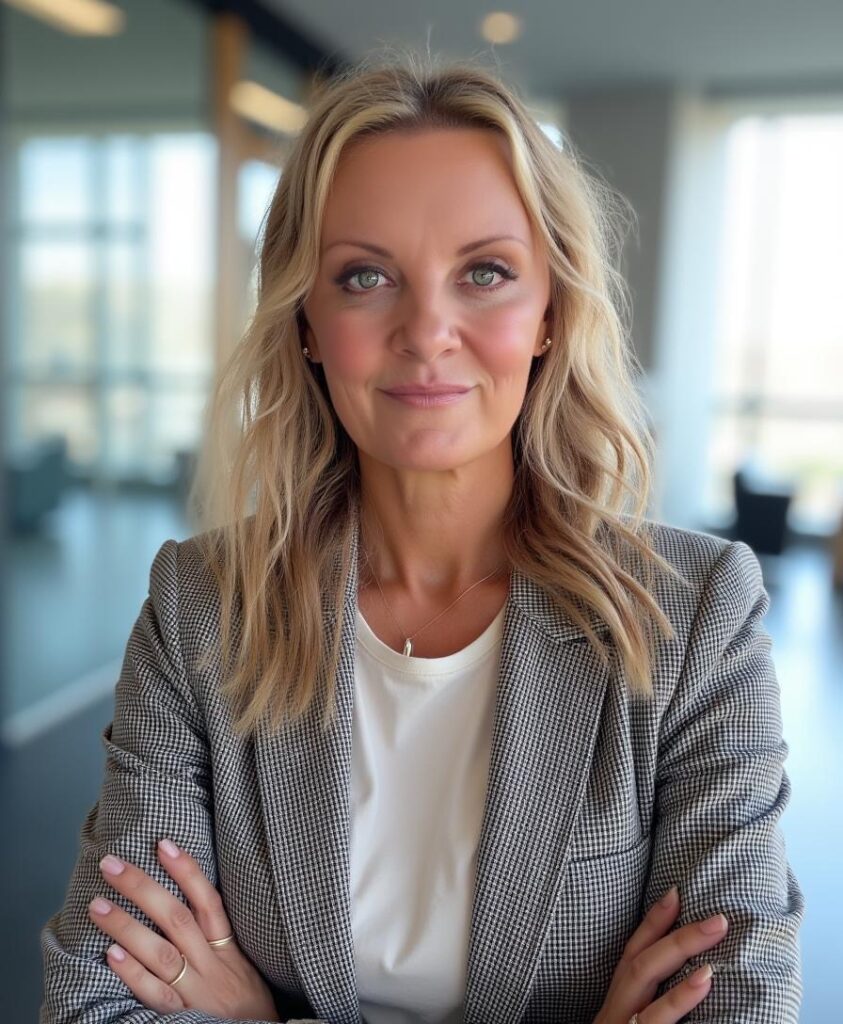
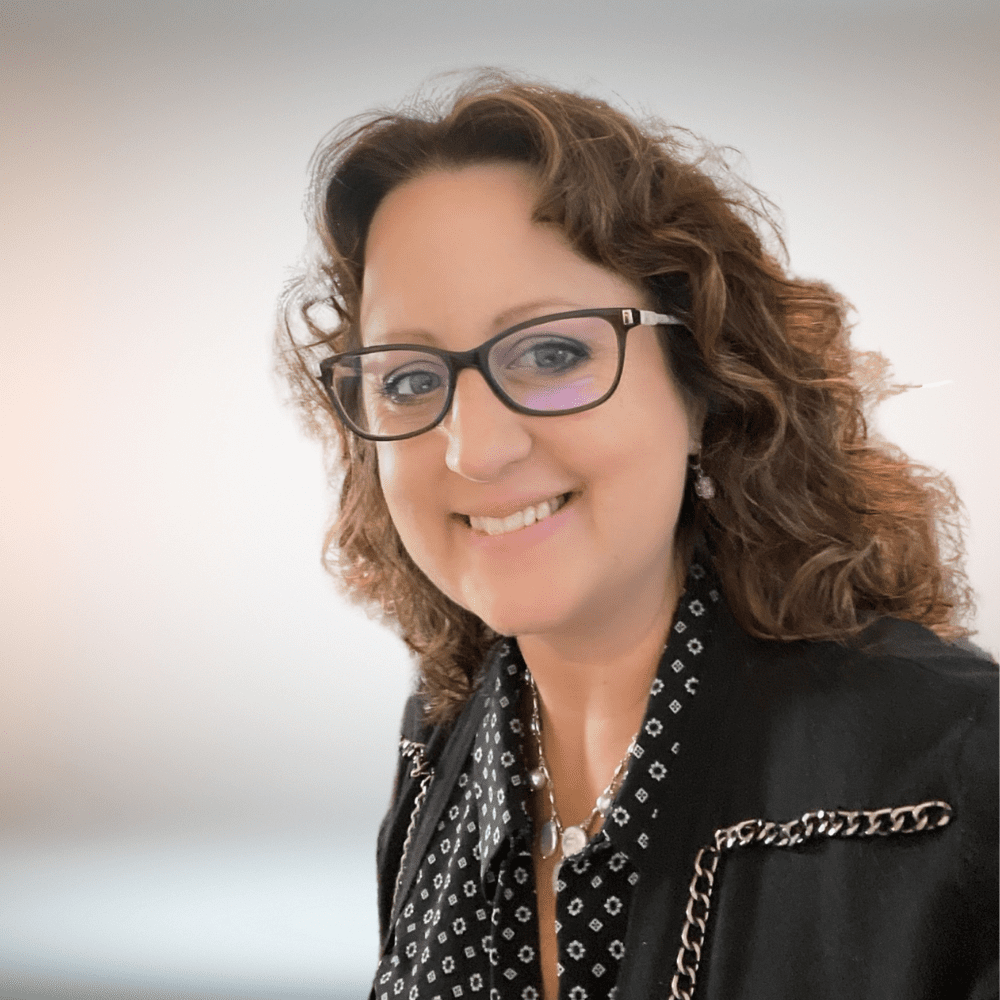
That is why we are glad to welcome Meagan Miller as CALIE’s new Event Manager. She will help us bring Spring Forward and future CALIE events to life.
She started in hotels, then found the link between events and learning
Meagan began her career on the hotel side of the events world. That is where she learned that a good experience depends on the details people only notice when they are missing, and on teams that work well together.
From there she moved into association event planning, and that is where she saw the connection between events and professional learning.
That connection is the whole point at CALIE. Our events are where educators invest in themselves, find new ideas, meet people who understand their work, and go home ready to try something different.
“At CALIE, I’m able to create events specifically tailored for educators to invest in their own learning and personal growth.”
That is the kind of event we want to run, and it helps to have someone on the team who sees it the same way.
Her first big project is Spring Forward
One of Meagan’s first big projects with CALIE is helping shape Spring Forward, our annual gathering of California educators and leaders, coming up March 18 through 20, 2027 in Palm Springs, with preconference sessions on March 17.
There will be schedules, room sets, microphones, catering counts, and signage. All of that has to work, and Meagan knows how to make it work.
But the bigger goal is setting up the conditions for something more useful to happen. We want educators to find people they can learn with. We want sessions that produce ideas worth taking back to a school or a classroom. And we want attendees to leave feeling that the time they spent on their own growth was worth it, even in a full calendar.
With Meagan’s background in hospitality and association events, we can put more care into those details than we have before.
California roots, good books, and paddle boarding dogs
CALIE is a California organization, so it fits that Meagan has lived in both Southern and Northern California.
Outside of work she reads a lot and travels a lot, usually with her husband and their two dogs. Some of those trips apparently involve paddle boarding. With the dogs. We have follow up questions.
For now, we are simply glad to have Meagan on the team. As CALIE’s programs and community keep growing, we want to keep building events where educators feel welcome, meet people worth knowing, and leave with something they can use. Meagan will be a big part of that.
Help us welcome Meagan Miller to CALIE. And if you are joining us at Spring Forward this March in Palm Springs, stop by and say hello.
July 1 marked the beginning of a new board term at CALIE. This year it also marks an important milestone in our organization’s journey.
Five newly elected directors began their three-year terms this month, joining four continuing board members to form the first Board of Directors to serve entirely under the CALIE name. As we welcome our new leadership, we also want to recognize the dedicated members whose service helped guide the organization through one of the most significant periods in our history.
Thank You to Our Outgoing Board Members
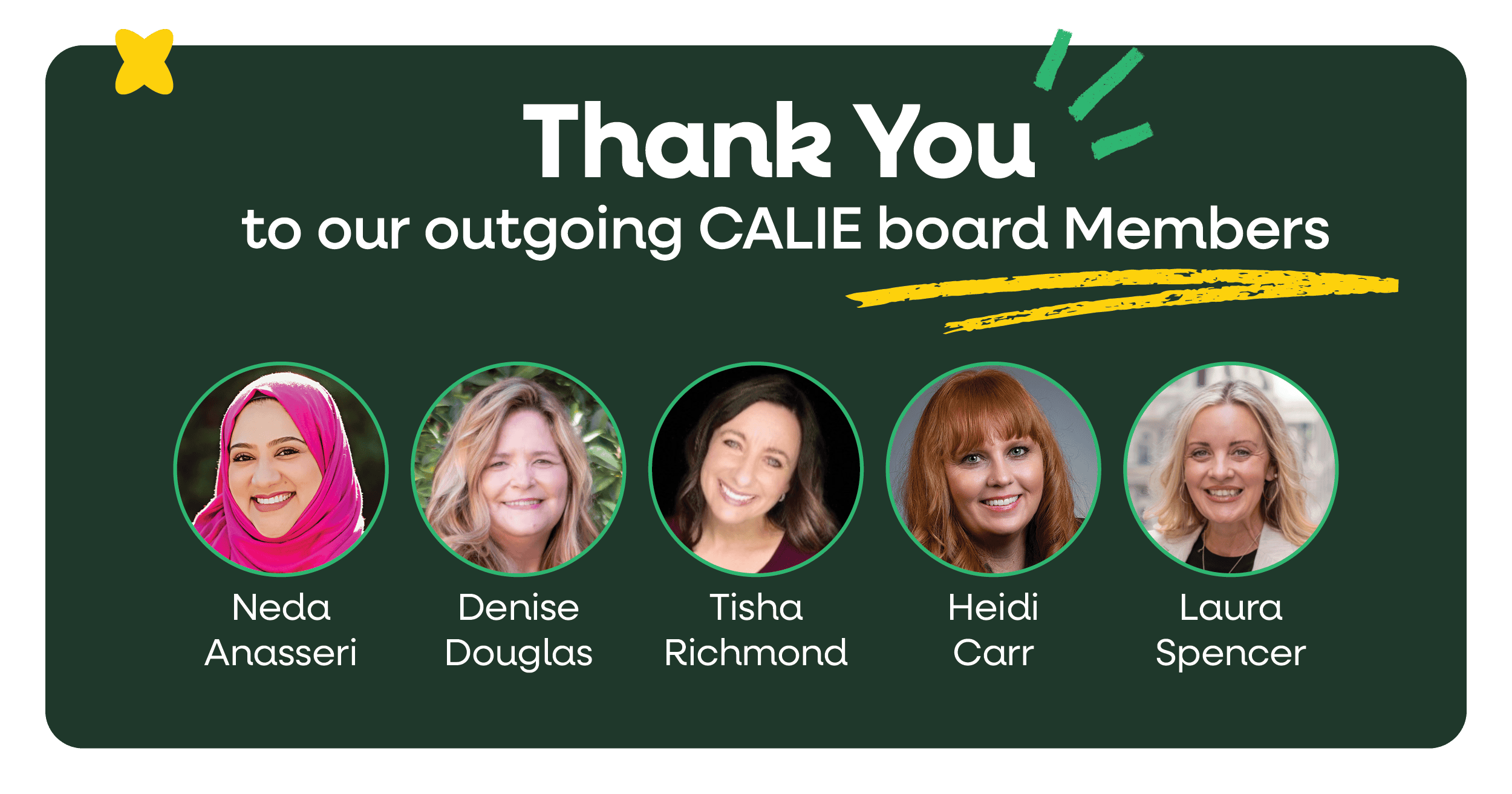
This month, we extend our sincere gratitude to Neda Anasseri, Heidi Carr, Denise Douglas, Tisha Richmond, and Laura Spencer as they conclude their service on the board.
Over the past several years, these leaders helped steward the organization through a period of substantial change and growth, including the transition from CUE to CALIE. Whether making strategic decisions, supporting staff, or representing the organization throughout California, each brought their own perspective, experiences, and passion for serving educators.
We are grateful for their leadership and lasting contributions.
Welcoming Our New Directors
We’re excited to welcome five new members to the CALIE Board of Directors. Elected by our membership this spring, they represent a broad range of experience from classrooms, school districts, charter schools, and county offices of education across California.
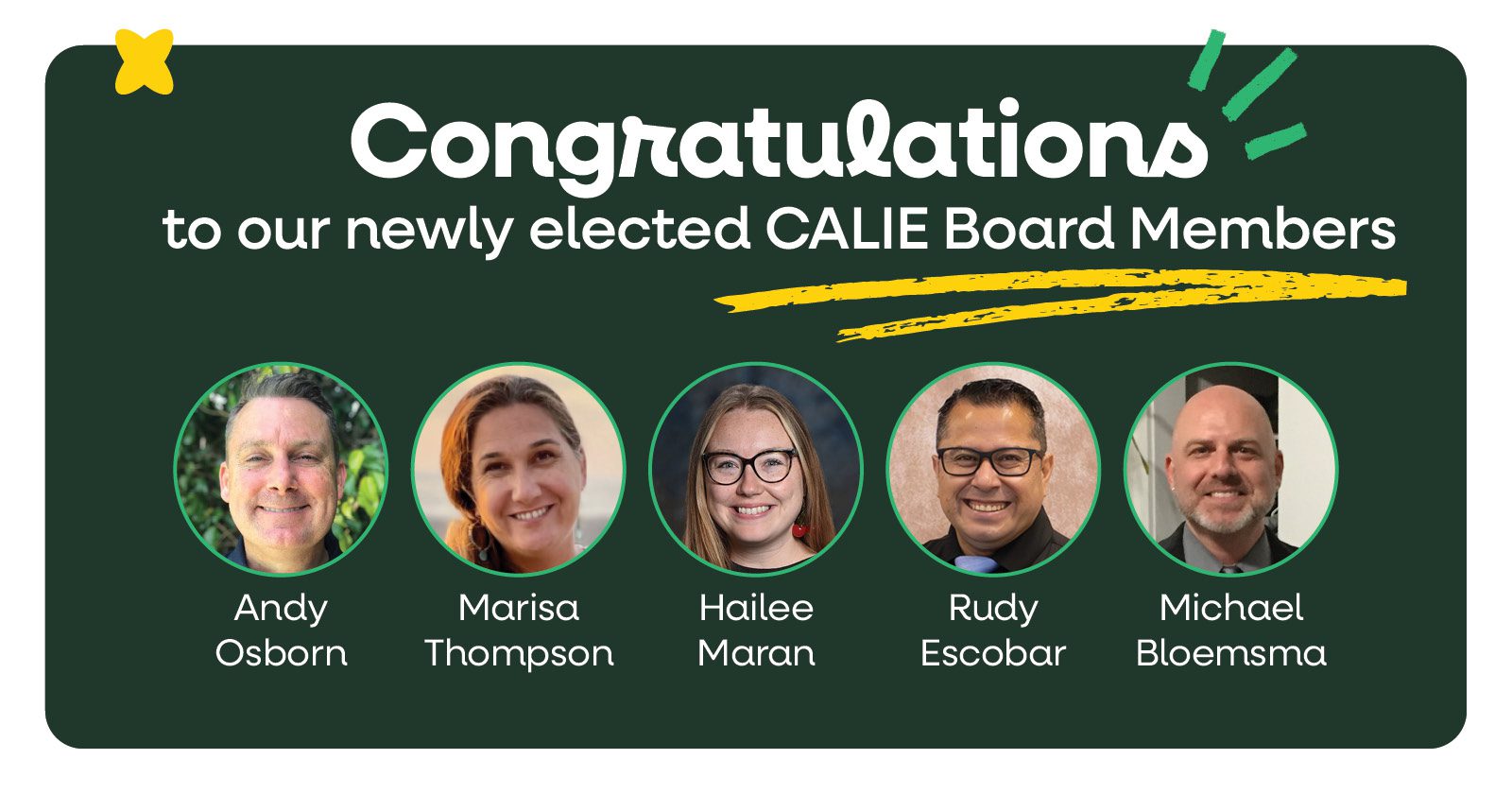
Rudy Escobar – STEM and Computer Science Coordinator, Stanislaus County Office of Education
Michael Bloemsma – Program Administrator for Computer Science, San Francisco Unified School District
Andy Osborn – Educational Technology Instructional Coach, Westminster School District
Hailee Maran – Teacher, Achieve Charter School of Paradise
Marisa Thompson – Associate Director of Curriculum and Instruction, Elite Academic Academy
These new directors join continuing board members Chris Hoang, Traci Bonde, Laurie Roberts, and Omar Shepherd, who continue their terms and provide continuity as CALIE moves into its next chapter.
Looking Ahead
Strong organizations are built through new perspectives, strong leadership, and a shared commitment to the mission. We are excited to welcome our newest directors and grateful for the experience and perspective they bring to the CALIE board.
When word got out that a widely used learning platform had been breached, the questions that flooded in weren’t about data forensics or threat vectors.
They were:
Can students still access their assignments? Is this login page real? What do we tell families?
Those questions tell you everything.
Not because they’re wrong. They’re completely reasonable. But they reveal what most educational technology decisions are actually built on: the assumption that the platform will always be there. That the vendor will show up and that the convenience we traded something for will keep working every morning.
It usually does.
Until it doesn’t.
And then everyone remembers, all at once, that “the cloud” is still just somebody else’s computer.
Breaches happen. They happen to well-run companies with strong security teams, and they happen to platforms schools rely on every day. No vendor is immune, and singling one out misses the point. The harder questions sit on our side of the relationship.
Here’s what makes me uncomfortable to say. And I say it as someone who has spent years encouraging schools to adopt new tools and move faster.
Most educational technology ecosystems were not designed. They accumulated.
One app to handle communication. Another for intervention data. Another for assessment. Another because the neighboring district was using it. Another because it was free. Another because saying no felt harder than asking why.
(And if you’re reading this thinking that’s not us, I’d encourage you to pull up your current vendor list before you finish the sentence.)
Over time, schools built incredibly complex systems layered across APIs, cloud platforms, student accounts, and data-sharing agreements that most educators have never actually seen. Leadership signed off on integrations the IT team didn’t fully vet. IT approved tools teachers didn’t use. Teachers used tools nobody told leadership about.
That’s not negligence. That’s what accumulation looks like when the pressure to adopt is always louder than the permission to pause.
The breach didn’t create that problem. It just made it visible for a few uncomfortable days.
A Framework for the Conversations That Don’t Happen
Not as a compliance checklist. Not as another thing for overextended teams to feel behind on. But as a framework for the conversations that don’t happen often enough, built by educators who have lived inside these same pressures.
The guidelines evaluate technology across five connected domains: student experience, instructional design, evidence of impact, equitable access, and long-term sustainability. What strikes me about that last one is how rarely sustainability shows up in the room when a school is excited about a new platform. We ask whether teachers will use it. We ask whether students will engage. We almost never ask: What happens if this disappears?
That’s not a hypothetical anymore.
The framework is also intentionally designed as reflection, not evaluation, which matters more than it might sound. The goal isn’t to grade your district or shame anyone for the decisions that made sense at the time. The goal is to build a shared language across teams so that the questions people have been quietly holding can finally get asked out loud.
There’s even a three-minute gap analysis tool that helps teams surface where they are right now, before anything else. Not where they should be. Where they are. That’s a different kind of starting point. A more honest one.
The Questions That Rarely Make It Into the Room
Because the questions most schools ask before adopting a platform sound like:
Will students engage? Will teachers actually use it? Does it integrate with what we already have?
Reasonable. I’ve asked them myself.
The questions that rarely make it into the room are the harder ones:
What does this platform make easier to do poorly? What happens to instruction if it disappears tomorrow? Who owns the data our students generate inside it? And what are kids learning about privacy from watching the adults around them click “agree” without reading anything?
That last one is the one nobody wants to sit with.
We build entire units on digital citizenship. We teach students about privacy, consent, and online responsibility. And then adults model exactly what we tell students not to do. Click fast. Approve the integration. Sync the data. We’ll figure out governance later.
(Later has a funny way of arriving in the middle of a security incident.)
I want to be clear about something: this is not an argument against educational technology. That argument is over, and it was never a particularly interesting one anyway.
Technology, used intentionally, can expand access, deepen learning, and create opportunities for students who need them most. That’s the vision. Technology that actually supports what learners can do, not technology that just fills time or solves an administrative inconvenience.
But useful isn’t the same as intentional. And convenient isn’t the same as designed.
Every platform asks for something in return. Attention. Data. Dependency. Behavioral information. Instructional time. Trust. Many schools still evaluate those exchanges almost entirely through the lens of convenience, without naming what’s being traded away in return.
The Uncomfortable Truth
The CALIE guidelines exist because educators deserve a better framework than convenience. And because the students inside these systems deserve adults who are asking harder questions on their behalf.
Some schools now operate inside digital ecosystems so interconnected that almost nobody fully understands the whole system. Not classroom teachers. Not administrators. Sometimes not even the vendors themselves.
That should probably bother us more than whether students are using paper or screens.
Cybersecurity cannot keep living inside the IT department while every other department expands digital dependency without shared governance or shared accountability. That’s not an IT failure. That’s a leadership design problem.
But here’s what I actually believe: the educators in this community already know this. They’ve felt it. They’ve navigated it with limited support and enormous pressure. What’s been missing isn’t awareness.
It’s been a place to start the conversation.
That’s what the guidelines offer. And that’s what this community is for.
If these are questions your school or district has been avoiding, it might be time to stop avoiding them together.
When I joined the CALIE board of Directors in the summer of 2024, we were still called CUE, short for “Computer-Using Educators.” It’s a name that carried significant weight in the education community, representing 40+ years of California educators gathering around technology, building community, and pushing outcomes forward. No one on our board took that history lightly.
When conversations started about who we were becoming, we didn’t move quickly. We deliberated and asked hard questions. We brought our members into the process, looked at where education was heading, and listened to what our community was telling us. Over time, the answer became clear: the organization had grown beyond what the name described.
That’s how CALIE was born. And now, that same evolution is reaching our annual conference.
In 2027, Spring CUE is becoming SPRING FORWARD.
I want to share why this feels right to me, and why I think this moment in education is exactly when it should happen.
The Mission That Made Us
When CUE was founded in 1978, the mission was clear: expand access to emerging technology and develop a community of educators to use it well and support each other in doing so. Schools were gaining access to the tools, and then they needed the knowledge to use them. CUE brought people together around that shared mission for more than four decades, and it worked.
Since then, the classroom has changed. The tools are already there. More than 1.6 million devices were connected to California schools through pandemic-era federal funding alone. The average district accesses nearly 2,700 distinct edtech tools in a single year. We made real gains in closing the access gap, including rural districts and communities that historically couldn’t afford these tools. But what has all of this technology actually accomplished, and how is it being measured?
From Access to Impact
That question is live and loud right now. It’s the conversation educators are walking into every day. And it’s the conversation they deserve a community built for.
The CALIE board’s work over the past few years has been pointed toward exactly this moment. We didn’t rebrand to CALIE because we wanted a new logo. We did it because our mission sharpened. What California education needs now is discernment, not just adoption. It needs educators who can evaluate technology, not just implement it.
We’re still gathering in the spring. We’re still bringing together teachers, coaches, technology leaders, and administrators from across California and beyond. But now, we’re not just gathering around technology. We’re gathering around impact.
The educators showing up in 2027 won’t be asking “What’s new?” They’ll be asking “What’s worth it and why?”
What We’re Building
I’ll be honest: the name Spring CUE was beloved by many, myself included. People have strong feelings about it, and when changes like this are announced, the first instinct is often to ask, “Why change something that worked?”
My answer is that we’re not changing because it stopped working. We’re changing because we grew, and we want to keep working for you and what you need.
The educators I talk to want a community that takes their judgment seriously. One where the conversation is honest about what technology is actually doing for students (and what it isn’t). One that helps them go home and do their jobs better, in whatever role they hold.
That’s what SPRING FORWARD will be. And it’s going to be built the same way everything we do is built: by educators, for educators, for every role.
This spring, CAST and CALIE partnered to bring Universal Design for Learning to the center of Spring CUE 2026 in Palm Springs, CA. UDL-Con California was a featured program at one of the state’s largest gatherings of classroom teachers, instructional coaches, IT leaders, and district administrators to tackle the systemic challenges that matter most at Spring CUE, powered by CALIE.
Sessions ran throughout the conference, many led by CAST experts. A pre-conference workshop on March 18 gave participants a hands-on introduction to UDL tools and strategies for designing learning that works for every student.
We asked staff from both organizations the same questions about what this collaboration made possible. Here is what they said.
What makes this partnership work, and should it set a precedent?
CAST
Spring CUE created a real opportunity to connect with educators and innovators who share CAST’s commitment to UDL. The intersection of UDL and technology is especially powerful. Technology has an unprecedented ability to increase access and support learner agency when it is accessible and thoughtfully designed. That has been central to CAST’s work since the 1980s, and it continues to drive our mission today.
Partnerships like this are not just valuable. They model what is possible when organizations align around a shared goal: designing learning experiences that work for each learner from the start.
CALIE
Bringing the Spring CUE and UDL-Con communities together created a space for educators to explore how accessibility, instructional design, learner variability, and technology connect in practice. What made this work was a shared belief that educators are the key to designing meaningful, student-centered learning experiences. CAST’s leadership in UDL helped deepen those conversations and gave educators practical frameworks they could apply immediately.
The challenges facing education are too interconnected for organizations to work independently. Partnerships like this allow us to create more cohesive, forward-thinking learning experiences for educators while building stronger bridges between research, instructional practice, and innovation.
The challenges facing education are too interconnected for organizations to work independently.
Why is UDL so important for today and tomorrow’s learners?
CAST
As education shifts from acquiring information to developing learner expertise, the need for flexible learning environments has never been greater. Learners must be able to plan, navigate, and monitor their own progress in order to thrive in a rapidly changing world. UDL provides a framework for designing those environments — one that anticipates variability rather than retrofitting for it.
Technology plays a critical role in making this vision scalable. When used intentionally, it allows us to design for variability in ways that were not previously possible. The future development of digital educational materials, including AI integration, makes this work both urgent and exciting.
CALIE
As technology, AI, and access to information rapidly evolve, educators play a critical role in designing learning experiences that foster curiosity, agency, critical thinking, and meaningful participation for every learner. At CALIE, we know educators cannot do this work alone. They need ongoing support, collaboration, and opportunities to learn alongside one another as they navigate changing technologies, learner needs, and instructional practices.
UDL provides a powerful foundation for creating more flexible and inclusive learning environments. And thoughtful use of technology can help expand access and deepen learning opportunities for all students.
What were your highlights at Spring CUE 2026?
CAST
One of the most powerful aspects of the conference was connecting with educators from across the country who are actively engaged in this work. A particularly exciting takeaway was seeing how many companies are beginning to prioritize accessibility in the design of their K-12 products and services. When accessibility is built in from the start, it benefits all learners.
I also had the chance to co-lead a session on district-wide UDL implementation alongside partners from Palm Springs Unified School District, sharing four years of work with a room full of educators committed to the same goals. That was a meaningful highlight.
CALIE
One of the clearest highlights was the level of educator interest in conversations around UDL, accessibility, learner variability, and intentional instructional design. UDL-focused sessions filled quickly, and many educators specifically shared that they appreciated seeing a stronger balance between AI, innovation, and inclusive learning design rather than technology presented in isolation.
For me personally, this partnership represented the continuation of work I began supporting UDL implementation in my own district. Bringing CAST into partnership with CALIE and embedding UDL more intentionally across our organization felt like an important milestone, not just for the event, but for a broader vision of helping educators create more accessible, student-centered learning experiences at scale.
Niel Albero Senior Implementation and Professional Learning Specialist, CAST
Rae Fearing Director of Programs, CALIE
Thank you to the CAST team for their partnership and for bringing Universal Design for Learning to the center of Spring CUE 2026. Learn more about their work at cast.org.
We hope to see you at CALIE’s annual conference, March 18-20, 2027 in Palm Springs, CA.
CALIE is pleased to announce that five educators have just earned seats on the 2026-2027 CALIE Board of Directors, stepping in at one of the most pivotal moments in our four-decade history. Voting closed on March 28, and the results reflect a community ready to move forward with clarity, purpose, and excitement for what’s ahead. Please join us in welcoming Rudy Escobar, Michael Bloemsma, Andy Osborn, Hailee Maran, and Marisa Thompson!
This is the first board that will serve entirely under the CALIE name, and these five new board members will be crucial to building what comes next in education innovation. They were elected by our members, and they bring a breadth of experience from classrooms, districts, and county offices across the state.
Your 2026-2027 Board
Rudy Escobar is a STEM and Computer Science Coordinator at Stanislaus County Office of Education in Turlock. He brings years of governance experience from the Computer Science Teachers Association (CSTA), Computer Science for California (CSforCA), and Central California CUE, where he has served in multiple leadership roles. Rudy currently co-chairs CSforCA and has guided statewide collaboration across education, higher education, nonprofits, and industry partners. His commitment to equitable innovation is exactly what this next chapter calls for.
Michael Bloemsma is Program Administrator for Computer Science at the San Francisco Unified School District. He helped rebuild the CUE San Francisco affiliate from the ground up, growing it from a handful of members to over 500 through partnerships with Apple, Adobe, KQED, and many others. Michael brings more than a decade of affiliate leadership and knows firsthand how to build something lasting.
Andy Osborn is an Ed Tech Instructional Coach at Westminster School District and the current President of Orange County CUE. He brings 25 years of experience in instructional technology and district-level leadership. His focus on equitable AI integration and data-driven professional development will be an asset as CALIE helps educators navigate the next wave of classroom innovation.
Hailee Maran is a teacher at Achieve Charter School of Paradise in Chico. She joins the board with a fresh perspective and a strong classroom voice. Hailee is currently piloting a Student Agency program and presented at the 2026 CATE Conference. Her voice will ground board discussions in the realities and intricacies of today’s classroom challenges and opportunities.
Marisa Thompson is Associate Director of Curriculum and Instruction at Elite Academic Academy in Carlsbad. She served on the San Diego CUE Affiliate Board from 2019 to 2025, including time as Vice President and President, and brings experience with nonprofit sustainability during uncertain times. Marisa understands what it takes to keep a community strong even through times of disruption.
This is a pivotal moment for CALIE. We’re moving forward with new programs, new members, and new ways to engage our community. I am excited to welcome our incoming board members this July, and I know they will be crucial to shaping what comes next.
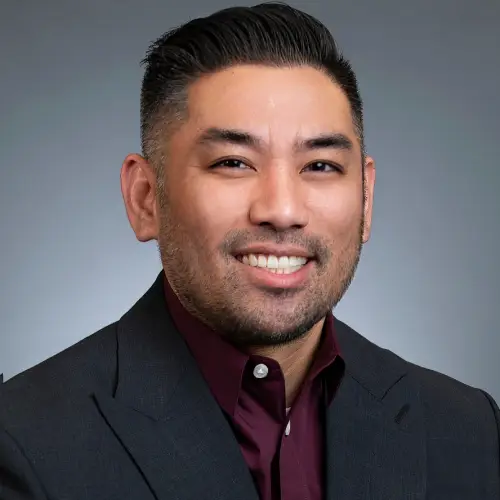
Chris Hoang, Board President
Building the Next Chapter Together
Our incoming board members will join continuing leaders Chris Hoang, Traci Bonde, Laurie Roberts, and Omar Shepherd. Together, they will carry forward the work of equipping, connecting, and elevating educators across California and beyond, and ensuring we continue to meet educators where they are.
We also want to thank the outgoing board members whose terms end this June. Neda Anasseri, Heidi Carr, Denise Douglas, Tisha Richmond, and Laura Spencer each gave significant time and leadership to this community during a period of real change. We are so grateful for everything they helped build. Thank you!
Rudy, Michael, Andy, Hailee, and Marisa will begin their three-year terms on July 1, 2026. Thank you to every member who voted, and to every nominee who put their name forward. The future of CALIE is in strong hands, and we cannot wait to see what this group builds alongside all of you in the months ahead.
UDL-Con at Spring CUE 2026 will strive to support education leaders working to align vision, instruction, and outcomes across universally designed, learner-centered systems.
Why an Edtech Event for CAST?
The intersection of accessibility, Universal Design for Learning (UDL), and educational technology represents a powerful space where innovation and learner agency grows. Digital accessibility ensures that all learners, including those with disabilities, can engage with digital content and tools. When leaders collaborate and understand the power of UDL and how accessibility drives opportunities for each learner, systems change and students succeed.
The Power of the Edtech and UDL Communities
“The passion shared by EdTech and UDL leaders is not only powerful, but it’s also contagious.”
As a former classroom teacher, inclusion leader, reading coach, and ESL coordinator, I’ve spent my career championing seamless access to meaningful learning opportunities. Nearly twenty years in the edtech space, leading professional learning communities, designing in-person and virtual events, and developing tools and white papers to strengthen high-quality digital learning, have shown me just how transformative thoughtful, accessible technology integration can be. My four years at CAST, working deeply in the inclusive technology space, have highlighted how that shared passion between edtech and UDL leaders is real and contagious.
That’s why I’m so excited that this event will showcase the true impact of Universal Design for Learning and how accessible technologies can streamline and personalize learning for every student. As the Co-Project Director of the Center on Inclusive Technology & Education Systems (CITES), a federal center dedicated to helping school district leaders develop and sustain technology systems that support all learners, including students with disabilities who rely on assistive technology and accessible materials, I find UDL-Con at Spring CUE inspiring. The concept embodies the spirit of inclusion, innovation, and possibilities we value as we work toward an accessible future for all learners.
Accessibility Is the Minimum. Inclusion Is the Goal.
Accessibility is the baseline of UDL. UDL opens opportunities and encourages instructional design that anticipates learner variability. A research-based framework, the CAST UDL guidelines provide educators and designers the ability to create instructional experiences that offer multiple means of engagement (the “why” of learning), multiple means of representation (the “what”), and multiple means of action and expression (the “how”).
UDL is based on scientific insights into how humans learn and is supported by evidence to benefit learners of all ages and across learning contexts. The goal of UDL is learner agency that is purposeful and reflective, resourceful and authentic, and strategic and action-oriented. Many edtech tools fundamentally support UDL implementation as they often provide options for educators and students.
UDL in Action at Spring CUE
All Spring CUE attendees have the option to join the powerful UDL-Con sessions to build their leadership and implementation of UDL. Over twenty accessible, universally designed sessions will explore a variety of topics, including accessible AI and assistive technologies, and UDL in action via drones, literacy, people-centered pedagogy, and schoolwide success.
Leaders can learn how drone-based STEM lessons use multiple modalities to support inquiry for students who learn in diverse ways. Literacy specialists will highlight how accessible materials and technologies can transform literacy instruction.
Don’t miss special sessions with free tools, including research-based online graphic organizers, Multi-tiered Systems of Support (MTSS) resources aligning to inclusive tech, a hands-on card game to educate leaders on the myths and facts of assistive technology implementation, and UDL-aligned coaching resources for science educators.
Across the conference, participants will see that UDL is not an add-on. It is a mindset that transforms every classroom, every learner, and every system.
Check out all of CAST’s sessions at Spring CUE, and register for UDL-Con today!
Christine Fox is Chief Growth and Innovation Officer at CAST, leading business development, sales, design, marketing and communications to support CAST’s mission.
ChatGPT dropped in November 2022. Schools met. Schools wrote policies. Schools debated bans. Students did not wait.
While leadership hoped teachers would get comfortable with the technology, kids quietly started using AI on their own. Just like social media, they used it without discretion. It became part of their lives before it became part of our lesson plans.
Now, AI is no longer a destination website you have to navigate to intentionally. It’s baked into phones, Google Docs, social media feeds, and search bars. We can no longer wait for professional development while technology becomes unavoidable.
Bans Don’t Build Judgment
In most schools, teachers mainly noticed the cheating. So the response was predictable: ban it, block it, police it.
But AI literacy does not equate to a ban. It belongs in a lesson plan.
If students are already using AI outside school, a ban just guarantees they’ll use it without guidance. And bans create a hidden equity gap. Students with tech-savvy parents and paid subscriptions will learn to use AI as a powerful tutor at home, while students without those resources fall further behind.
We need to stop asking “How do we keep them from using it?” and start asking: “How do we teach them to question it, verify it, and think with it instead of letting it think for them?”
“You’re not just giving kids a tool. You’re getting a window into their minds.”
What This Actually Looks Like in a Classroom
AI literacy is not handing every kid a ChatGPT account and calling it innovation.
The better move is teaching AI literacy through guided moments within real learning, with guardrails. Platforms like SchoolAI, Brisk, or Flint let teachers build guardrail experiences where students get instant feedback, practice evaluating outputs, and strengthen their reasoning — without replacing teaching.
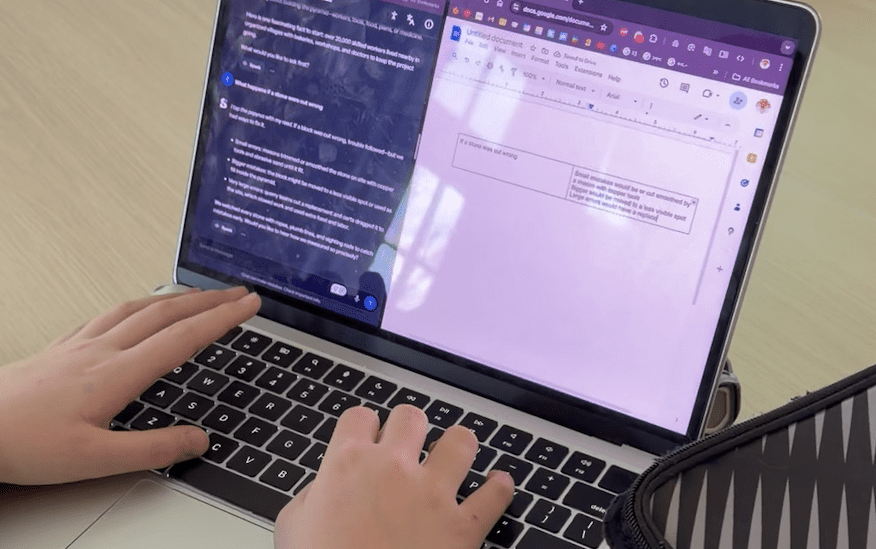
Here’s a concrete example. Your class is studying the pyramids of Giza. A teacher builds a focused chatbot that only discusses that unit’s content. Students can explore in any direction, but within a safe boundary. And while they’re asking questions, you’re seeing their questions — what they’re curious about, what they misunderstand, who’s going deeper, and who’s stuck.
That data helps fuel your next instructional moves.
A Simple Sequence Any Grade Can Run
You don’t need a new course. You need repeatable habits woven into real assignments.
Start by having students evaluate an AI-generated response connected to current content. What looks accurate? What feels vague? Whose perspective might be missing? Then teach them to improve their prompts — not to get the answer, but to deepen thinking.
Build verification as a default: pick one claim, find a trusted source, confirm or contradict it. Then have students reflect on what they accepted, what they rejected, and why.
Replicate that in small bursts throughout the year. Tie it to real content. Make it normal. That’s how literacy is built — not with a one-time assembly or a policy PDF, but with routines.
I’ve been teaching since 1996. This moment isn’t about moving faster. It’s about moving intentionally.
If we do this well, we don’t just reduce cheating; we also improve learning. We increase thinking, gain better insight into students’ understanding, and build safer habits before bad ones take root.
If you want to go deeper on using AI safely and intentionally with kids, I’ll be giving a keynote on just this at Spring CUE powered by CALIE next month. Hope to see you there.
Holly Clark is a California educator who works with schools around the globe on their intentional use of AI. You can follow her story on social media at @HollyClarkEdu (Instagram and Linkedin) and on The Digital Learning Podcast or by reading the AI Infused Classroom.
What if professional learning was the best part of your month?
Not another sit-and-get. Not another tool you know about but don’t quite use. Not another lonely attempt at innovation after hours.
That’s the idea behind CALIE Live Labs, a new professional learning series built around collaboration, creation, and community.
Live Labs is designed for educators who want to learn with others, not in isolation. Each session brings together educators to explore practical challenges, experiment with solutions, and create meaningful resources they can use in their classrooms and schools.
What Makes Live Labs Different?
Live Labs are about solving instructional and leadership challenges alongside peers who get it. Every month focuses on one classroom-based problem and follows a simple, supportive rhythm: learn together, create something real, and share what you’ve built with a trusted community.
This is professional learning that values your time, your expertise, and your creativity.
If you’ve ever felt frustrated by:
Professional development that doesn’t translate into practice
Knowing tools exist but lacking confidence to use them
Innovating alone without feedback or support
Learning experiences disconnected from your classroom or campus
Live Labs was built with you in mind.
The Live Labs Learning Loop
Live Labs follow a simple two-week learning loop where educators learn a practical skill, create and test an artifact in their own context, then return to share work, exchange feedback, and learn from one another.
2026 Live Labs Schedule
March–October 2026 1st and 4th Tuesdays | 4:00–4:45 PM PST
You won’t just attend—you’ll contribute, collaborate, and be recognized for your work.
Why Live Labs Matter
Live Labs represents a shift in how professional learning can feel: energizing instead of draining, collaborative instead of isolating, practical instead of theoretical.
If you’re ready to learn, create, and collaborate with educators who believe professional growth should be community-driven, CALIE Live Labs is for you.
Each Live Lab follows a two-week learning loop: a short, focused live session to learn a practical strategy, time to apply and adapt it in your own context, and a follow-up session to share work, exchange feedback, and learn from peers.
Why do Live Labs utilize the Learning Loop format?
New learning has a higher likelihood of becoming a permanent part of an educator’s practice when they can practice and iterate. Live Labs moves away from the one-and-done format to truly incorporate collective efficacy with colleagues and just-in-time reflection on the implementation process.
What will I leave with after a Live Lab?
You’ll leave with a usable artifact you created yourself—something ready to use or adapt in your classroom, school, or role, along with ideas and examples from other educators.
Do I need prior experience with specific tools or technologies?
No. Live Labs are designed to be accessible for all educators, regardless of prior experience. Support, examples, and multiple entry points are built in so you can engage at a level that makes sense for you.
Will participants receive recognition for their work after the Live Labs series?
Yes. Participants may choose to have their work included in a curated post–Live Labs guidebook that features educator-created artifacts and ideas developed across the eight-month series. This optional recognition highlights professional learning in action and elevates educator practice and voice.
Educators are among the most powerful leaders in our state. We create learning that matters, adapt to constant change, and inspire possibility every single day.
For more than four decades, the CUEmmunity harnessed that power by sharing ideas at conferences, learning from each other’s classrooms, and leaning on one another through times of change. We grew into a community of educators who believe in the power of innovation and in the strength that comes from not doing this work alone.
But innovation in education isn’t just about tools or technology. It’s about rethinking how schools adapt, how teachers lead, and how educators connect and support each other in the real work of teaching and learning.
That’s why we evolved. CUE is now CALIE: the California Association for Leading Innovation in Education.
CALIE exists to give teachers, school leaders, and innovators the confidence, tools, and experiences to design classrooms and schools that really work for today’s learners, while also amplifying their professional and leadership goals.
Our Belief
We believe in the power of educators. We are the local leaders sparking meaningful learning, even when the challenges are tough. We push big ideas forward, We lean on each other for support
We know that innovation in education is about people, not just technology. It’s about using innovation to break down barriers to learning. It’s about unlocking potential.
And we believe that together, anything is possible.
What’s Ahead
CALIE’s expanded mission and vision makes it possible for us to do more to support, inspire, and empower more educators than ever before. Over the next year you’ll gain new ways to learn, lead, and connect, including:
The CALIE Certified Educator Program builds skills in instructional design, educational technology, and schoolwide improvement strategies, preparing you to drive change wherever your career takes you.
The CALIE AI Leadership Academy empowers educators and school leaders to build knowledge, skills, and strategies for ethical, impactful integration of artificial intelligence in education.
A stronger statewide network that makes sure you are heard, supported, and inspired.
Whether you’ve been with us for years or you’re just discovering this community, we’re glad you’re here.
Welcome to CALIE. Let’s spark meaningful learning, together.