Support Students’ Mental Health During National Suicide Prevention Month

As educators, we are in a unique position to shape the way our students engage with the world, both physically and digitally. September is National Suicide Prevention Month, and it serves as a powerful reminder to prioritize conversations about mental health, particularly when it comes to our students’ digital lives. The online world is where many kids live out significant portions of their day, from social media to gaming, and we, in partnership with parents and guardians, have a responsibility to help them navigate it safely.

One of the most impactful things we can do is talk to our students about how their digital life affects their mental health. Whether it’s the pressures of social media or the isolation that can come from too much screen time, digital experiences play a huge role in how students feel and process the world around them. We must create safe spaces in our classrooms for students to share their experiences, feelings, and concerns about their online interactions.

National Suicide Prevention Month is a critical time to highlight the resources available, like these Resources for Students and Educators from the National Institute of Mental Health, that help teachers understand mental health challenges and give students the tools they need to cope with big feelings like stress and sadness. Resources like the “Jane the Brain” video series, an interactive Kahoot! Quiz for teen depression, and coloring books can make mental health education more accessible and engaging for students.

Our role as educators extends beyond academic content. By opening up discussions about the intersections between mental health and digital life, we can empower students to manage stress, build resilience, and seek help when needed. This month, let’s commit to those conversations—let’s inspire students to take care of their mental well-being, online and offline.

Leading the Way: Media Literacy for EdTech Leaders

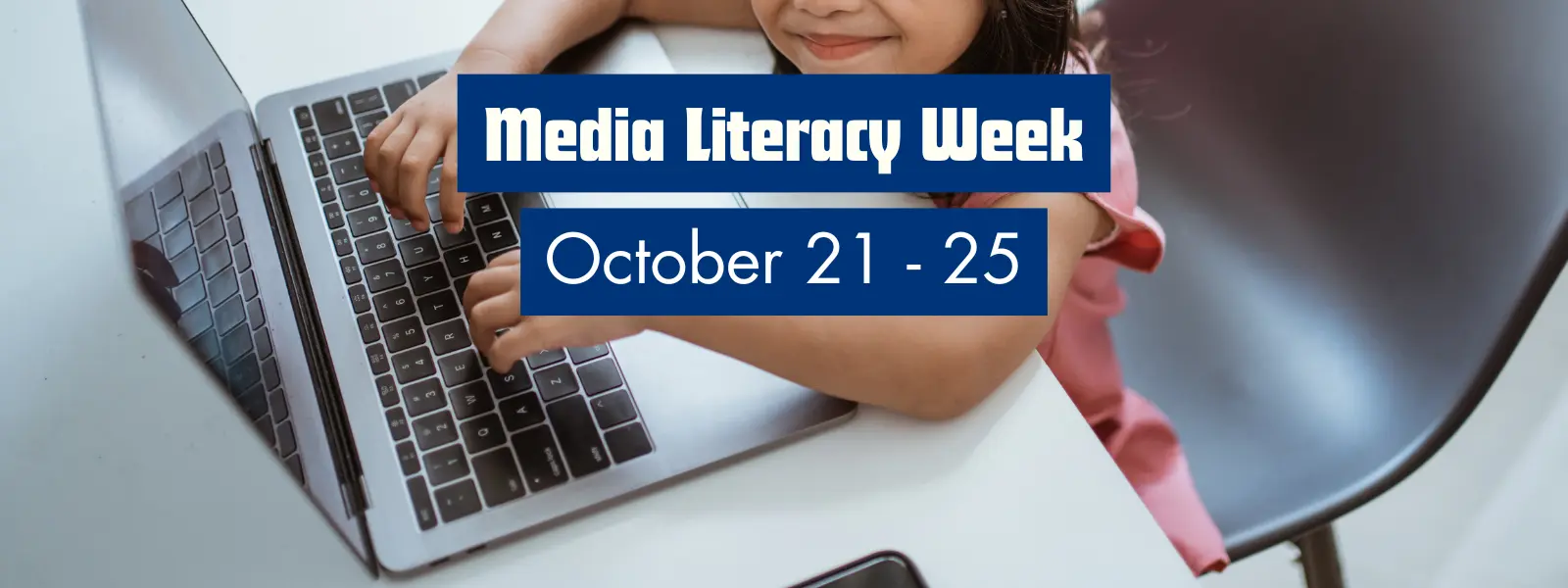
Join us for the 10th Annual U.S. Media Literacy Week, hosted by NAMLE (National Association for Media Literacy Education) from October 21-25! As tech leaders in your schools and districts, you already understand the importance of integrating innovative tools into your teaching. Media literacy is a crucial component of preparing students to critically analyze information and navigate the digital landscape with confidence.

Here’s how you can enhance your edtech practices and make media literacy a powerful tool in your classroom:

NAMLE (National Association for Media Literacy Education)

  • What It Offers: NAMLE, the official host of Media Literacy Week, provides an array of resources, including videos, webinars, and toolkits, all designed to help teachers incorporate media literacy into their lessons. They also host the Media Literacy Resource Showcase during the week, where educators can explore the latest tools and strategies for teaching these critical skills.
  • Free Teacher Accounts: No account is necessary, and many of NAMLE’s resources, webinars, and events are freely accessible on their website.
  • Why It’s Great for Innovators: NAMLE’s comprehensive materials support you in staying ahead of the curve, offering cutting-edge strategies and resources to integrate media literacy seamlessly into your technology-rich classroom.

AllSides for Schools

  • What It Offers: AllSides for Schools provides a Media Bias Chart and curated news stories from across the political spectrum, helping students compare diverse perspectives on the same issue. This resource can be easily integrated into your existing digital curriculum to promote critical thinking and nuanced discussion in the classroom.
  • Free Teacher Accounts: Yes, AllSides offers free teacher accounts, giving you access to lesson plans, discussion guides, and a range of interactive media bias tools.
  • Why It’s Great for Innovators: You can use AllSides to create interactive lessons where students analyze bias using digital tools, enhancing their media literacy skills while promoting digital age thinking.

Checkology by the News Literacy Project

  • What It Offers: Checkology is an interactive platform that guides students through real-world scenarios to teach them how to recognize misinformation, evaluate sources, and understand the role of the media in a democracy. It’s an ideal resource for tech leaders who want to add more immersive, student-led learning experiences to their classroom.
  • Free Teacher Accounts: Yes, Checkology offers free accounts with access to most of its core media literacy lessons.
  • Why It’s Great for Innovators: Checkology’s gamified learning modules allow students to engage in simulations where they become media detectives, building crucial literacy skills while leveraging your classroom’s technology tools.

How This Supports Your Innovative Teaching Practices:

  • AllSides For Schools and Checkology both integrate seamlessly with the digital tools and learning management systems you’re already using, enabling you to enhance student engagement and create dynamic, interactive lessons.
  • By incorporating these media literacy tools, you’ll empower students to become critical thinkers and responsible digital citizens, preparing them for the challenges of a tech-driven world.
  • These resources promote student-centered learning, allowing you to facilitate discussions that foster a deeper understanding of the digital media landscape.

ISTE DigCit Competencies

In today’s digital world, every school needs a robust digital citizenship program to ensure students are safe, responsible, and proactive online. The ISTE Digital Citizenship Competencies are a great starting point, shifting the focus from what students shouldn’t do to empowering them with the skills and mindset to become thoughtful, empathetic digital citizens. By incorporating these competencies alongside media literacy tools like AllSides and Checkology, educators can create a holistic approach to teaching students how to navigate, evaluate, and contribute to the digital world. Explore ISTE’s comprehensive resources here.

Leverage these powerful tools during Media Literacy Week to inspire students to critically engage with the world around them while furthering your innovative teaching practices. Let’s continue to lead the way in digital education this October!

Federal STEM Plan: A Call to Action for California Educators

The newly released Federal Strategic Plan for Advancing STEM Education and Cultivating STEM Talent is a powerful roadmap for strengthening science, technology, engineering, and math (STEM) across the nation. This five-year plan emphasizes the importance of collaboration, accessibility, and innovation, providing a framework that educators, administrators, and leaders can act on to prepare students for the opportunities of the future.

For California educators and teacher leaders, this plan directly aligns with the ongoing work to close opportunity gaps, engage students in STEM-rich experiences, and equip schools to prepare students for thriving in a rapidly changing world. At CUE, we see this as a pivotal moment to reflect on our shared goals and align our strategies to this national vision.

5 Key Takeaways for Educators

1. Engage Students and Communities in STEM

  • The plan emphasizes the need to inspire learners of all ages by connecting STEM to real-world applications and fostering a sense of belonging.
  • Take Action: Host STEM nights, integrate community-driven projects, or engage students in media creation and storytelling using STEM tools.

2. Strengthen STEM Teaching and Learning

  • Addressing disparities in STEM education is critical. Building a diverse and well-prepared STEM teacher workforce is central to this goal.
  • Take Action: Advocate for and participate in professional development opportunities focusing on inclusive practices, AI literacy, and emerging technologies.

3. Prepare the Future Workforce

  • Cultivating a robust STEM talent pipeline ensures students are equipped for careers in high-demand fields like data science, sustainable engineering, and cybersecurity.
  • Take Action: Introduce career exploration activities, connect students with mentors in STEM fields, and integrate career-aligned STEM pathways into curricula.

4. Expand STEM Research and Innovation

  • Cutting-edge STEM education research and innovation are essential to staying competitive. California’s schools and teacher leaders can drive local solutions to national challenges.
  • Take Action: Collaborate with universities or organizations to implement and evaluate new instructional strategies and share your findings.

5. Foster Inclusive and Supportive STEM Environments

  • Removing barriers to participation and retention in STEM is essential for ensuring equity.
  • Take Action: Implement Universal Design for Learning (UDL) principles, support underrepresented students in STEM programs, and advocate for policies that enhance accessibility.

Why This Matters for California Educators

The federal STEM plan recognizes the diversity of learners and communities across the U.S. and the need for inclusive, localized solutions. California’s educators are uniquely positioned to lead the way in implementing these strategies, thanks to the state’s rich diversity, innovative spirit, and strong commitment to equity in education. With a focus on preparing students for AI, clean energy, and other emergent fields, California can set a national example.

Let’s Get to Work

The Federal Strategic Plan is more than a document—it’s a call to action for all of us in education. We would love to see how you are taking any of these actions or if you have any other ideas for advancing STEM education and cultivating STEM talent.

Please share your thoughts in the comments!